


 Whitman Expo



The unprecedented crossover underscores his personal efforts to combat “grade inflation.”
Thank you to our sponsors!
Go check them out!




Extremely common Indian Cent issue across all color designations and grade levels compared to other early years of this type. For Brown and Red Brown examples only the finest of gems are scarce at all. For Red examples all gems are scarce and the finest ones are very rare.
Obverse Description
A portrait bearing the likeness of a Native American in full headdress framed by the words UNITED STATES OF AMERICA around the periphery. The date is centered at the bottom under the portrait.
Reverse Description
The reverse bears the denomination of ONE CENT in the center surrounded by a wreath bearing a ribbon with arrows tied in at the bottom center.
Book Reference
Bronze or No L: These are typically called either 1864 No L or 1864 Bronze cents. Older collectors and grading services are accustomed to labeling this as Bronze. This separates these coins from the copper-nickel cents. The design change to the 1864 With L is assumed. In the past ten years it has been also listed as the No L, which separates the coin from the With L issue. The change from the copper-nickel alloy is assumed.
1864, No L, Cent Production: On April 22 a bill authorizing the change to a bronze cent was signed into law. This law also made the use of all private coinage illegal. The first bronze cents were produced on May 13 and released into circulation on May 20. There was no reason to make new dies for this coinage, as the Mint still had on hand many of the dies made at the beginning of the year for the copper-nickel cent coinage.
The coins were an immediate success. This cent composition remained basically unchanged, except for the emergency issues of World War II, until 1982, when it was changed to copper-coated zinc.
Survivability: These coins were released into circulation and stayed there for quite a while. They were only removed from circulation when they became too worn or damaged to be useful as coinage. Today they are mostly found in Very Good condition or lower.
Collecting Challenges: This issue is a one-year type, but this seems to be overlooked by most type collectors. As such, type collector demand is not a big factor in the pricing of these coins. These were mostly struck with dies used to strike the copper-nickel cents earlier in the year, and most coins show mushy details with numerous die clashes. Only about one in 30 coins was struck from fresh dies. The new dies produced crisp early-die-state pieces, which will have very sharp details. While many collectors will overlook die state when selecting coins, it may be important enough to spend the extra time to locate these. It may not cost much more, and the eye appeal of these pieces will more than make up for the time spent looking.
Collecting Circulated Pieces: The optimal collecting grade for circulated coins is AU-50. The vast majority is found in low grade so it is important to buy the best you can for your budget. Early-die-state pieces may occasionally be found, and should be bought when encountered.
Collecting Mint State Pieces: The optimal collecting grade for Mint State coins is MS-65RB. This is one of the most common issues of the Civil War years. In Mint State this date is no more common than any of the copper-nickel issues, but it can be found at a much lower price. Finding examples with eye appeal is recommended. Common, early-die-state pieces are very hard to find, as are ones with even red-brown color. Pieces with full mint red color are hard to find with eye appeal. Trying to find an early-die-state example is quite a challenge.
Collecting Proof Issues: The typically reported mintage is 150, but this is unreasonably low. While this issue is quite scarce, it always seems to be available. More than 200 examples have been recorded graded by ANACS, NGC, and PCGS combined. Even with duplicate submissions it seems unlikely that the mintage is anywhere near 150. A more realistic estimate may be 300. This issue is found mostly brown or with very little red present. Examples with even color with deep mirrors are most desirable for the issue. Full red examples are very diffcult to find and are very expensive. Examples with cameo contrast are extremely rare and are usually priced with a significant premium.
VARIETIES:
The best variety is the Snow-4 doubled die, with the doubling most prominent on LIBERTY. It was discovered in 1991 and is widely known, yet few examples have turned up. Very few examples are known. This is a coin that can make your day if you find one. There are Doubled-Die Obverse, Snow-4 only seven other varieties reported, mostly minor repunched dates. The other standout variety for this date is Snow-11, which has circular lathe lines over the face on the obverse.
An 1864 two-cent piece variety is known with clash marks from the obverse Indian Head cent die! This raises the question: does an 1864 Indian Head cent exist with the corresponding twocent piece clash marks? None have yet been found.
Catalog Information
GSID:
1298
Designer:
James B. Longacre
Obverse Designer:
James B. Longacre
Obverse Lettering:
UNITED STATES OF AMERICA, 1864
Reverse Designer:
James B. Longacre
Reverse Lettering:
ONE CENT
Weight (gr):
3.11 gr
Weight (oz):
0.11 oz
Strike Type:
Business
Diameter:
19
Coin Shape:
Round
Edge:
Plain
Variety:
Bronze
Coin Date:
1864
Denomination:
1c
Designation:
MS
Mint Location:
Philadelphia
Mintage:
39,233,714
Coinage Type:
Indian Head Cent
Coinage Years:
1864-1909
Composition:
95% copper; 5% zinc & tin
PCGS #:
2078
Send Catalog Feedback
To: editor@greysheet.com
Subject: I would like to contribute catalog info to CDN for 1864 1c Bronze MS RD
Body: Referring page: http://dev.greysheet.com/prices/item/1864-red-surfaces-bronze-united-states-indian-cent/gsid/1298 GSID: 1298 Title: 1864 1c Bronze MS RD
Subscribe to View
View more data, info, and visualizations. Get access to retail and wholesale pricing as well as auction data.
Coin Value History
1864 1c Bronze MS RD
Value By Grade
1864 1c Bronze MS RD
CPG (retail) values
Currency
Grade Range
Grading Authority
Sort by
Pricing
Values
Greysheet & CPG® Values
| Grade | CAC | CPG Value (Retail) | Greysheet Price (Wholesale) |
|---|---|---|---|
| MS67 |

|
$21,500 | $1,234 |
| MS67 | - | $18,000 | $1,234 |
| MS66 |
|
$1,234 | $1,234 |
| MS66 | - | $1,234 | $1,234 |
| MS65 |
|
$1,234 | $1,234 |
| MS65 | - | $1,234 | $1,234 |
| MS64 |
|
$1,234 | $1,234 |
| MS64 | - | $1,234 | $1,234 |
| MS63 |
|
$1,234 | $1,234 |
| MS63 | - | $1,234 | $1,234 |
| MS62 |
|
$1,234 | $1,234 |
| MS62 | - | $1,234 | $1,234 |
Indian Head Cent 1c 1859, Reverse of 1858 MS [Type]
![Indian Head Cent 1c 1859, Reverse of 1858 MS [Type]](https://images.greysheet.com/ctc/catalog/Indian-Cent.jpg?MaxWidth=200&Mode=Pad&Scale=UpscaleCanvas&format=webp)
Worth: $5 – $25,000
1859 1c MS

Worth: $5 – $25,000
Indian Head Cent 1c Copper Nickel, 1860-1864 MS [Type]
![Indian Head Cent 1c Copper Nickel, 1860-1864 MS [Type]](https://images.greysheet.com/ctc/catalog/1863-obv.jpg?MaxWidth=200&Mode=Pad&Scale=UpscaleCanvas&format=webp)
Worth: $6 – $72,000
1860 1c Round Bust MS

Worth: $6 – $18,000
1860 1c Pointed Bust MS

Worth: $7 – $28,800
1861 1c MS

Worth: $14 – $72,000
1862 1c MS

Worth: $6 – $72,000
1863 1c MS

Worth: $6 – $18,750
1864 1c Copper Nickel MS

Worth: $14 – $20,000
Indian Head Cent 1c Bronze, 1864-1909 MS BN [Type]
![Indian Head Cent 1c Bronze, 1864-1909 MS BN [Type]](https://images.greysheet.com/Ctc/CatalogEntry/auctions_stacksbowers_com_lots_view_3_j4gae-0.20200712022457246.jpg?MaxWidth=200&Mode=Pad&Scale=UpscaleCanvas&format=webp)
Worth: $1 – $1,688
Indian Head Cent 1c Bronze, 1864-1909 MS RB [Type]
![Indian Head Cent 1c Bronze, 1864-1909 MS RB [Type]](https://images.greysheet.com/Ctc/Catalog/20250811/m7z2wm7kefb0wx6umy1d.webp?MaxWidth=200&Mode=Pad&Scale=UpscaleCanvas&format=webp)
Worth: $44 – $2,000
Indian Head Cent 1c Bronze, 1864-1909 MS RD [Type]
![Indian Head Cent 1c Bronze, 1864-1909 MS RD [Type]](https://images.greysheet.com/Ctc/Catalog/20200826/ha_com_131705_30309-0.20200826140250544.jpg?MaxWidth=200&Mode=Pad&Scale=UpscaleCanvas&format=webp)
Worth: $110 – $120,000
1864 1c Bronze MS BN

Worth: $10 – $625
1864 1c Bronze MS RB

Worth: $160 – $11,500
1864 1c L on Ribbon MS BN

Worth: $20 – $5,000
1864 1C Bronze No L MS65 Red PCGS. CAC. CAC: 16 in 65, 27 finer (11/25). CDN: $1,300 Whsle. Bid for NGC/PCGS MS65. Mintage...
$1,680
1864 1C Bronze No L MS67 Red PCGS. CAC....

$18,600
1864 1C Bronze No L MS66 Red PCGS. CAC....

$4,320
1864 1C Bronze No L MS62 Red PCGS. PCGS Population: (1/292). NGC Census: (1/130). CDN: $225 Whsle. Bid for NGC/PCGS MS62. M...

$408
1864 1C Bronze No L, Rusted Dies, S-5, MS64 Red PCGS. PCGS Population: (108/169). NGC Census: (40/86). CDN: $475 Whsle. Bid...

$528
1864 1C Bronze No L--Improperly Cleaned--NCS. AU50 Details. NGC Census: (0/122). PCGS Population (0/245). Mintage: 39,233,7...

$172
1864 Bronze MS63 Red PCGS. The current Coin Dealer ...
$224
1864 1C Bronze No L MS65 Red NGC. NGC Census: 56 in 65 (1 in 65+), 36 finer (12/25). CDN: $1,300 Whsle. Bid for NGC/PCGS MS...
$870
1864 1C Bronze No L MS67 Red PCGS. CAC....

$18,600
1864 1C Bronze No L MS66 Red PCGS....

$2,640
1864 1C BRONZE, RD
$72
1864 1C Bronze No L MS64 Red PCGS. CAC. Housed in an old vintage Gen. 1.2 "rattler" holder. PCGS Population: (111/177). NGC...

$1,080
1864 1C Bronze No L--Improperly Cleaned--NCS. AU50 Details. NGC Census: (0/125). PCGS Population (0/243). Mintage: 39,233,7...

$75
1864 1C BRONZE, RD
$138
1864 1C Bronze No L MS65 Red PCGS. Mintage 39,233,714. ...

$1,560
1864 1C Bronze No L MS67 Red PCGS. CAC. ...

$18,600
1864 1C Bronze No L MS66 Red PCGS. CAC. This is the more plentiful No L variant, ideal for date representation. Glistening,...

$4,440
1864 1C Bronze No L MS64 Red PCGS. PCGS Population: (111/181). NGC Census: (42/86). CDN: $475 Whsle. Bid for NGC/PCGS MS64....

$504
1864 1C Bronze No L MS65 Red PCGS....

$1,560
1864 1C Bronze No L MS67 Red PCGS. CAC. ...

$28,800
Greysheet News
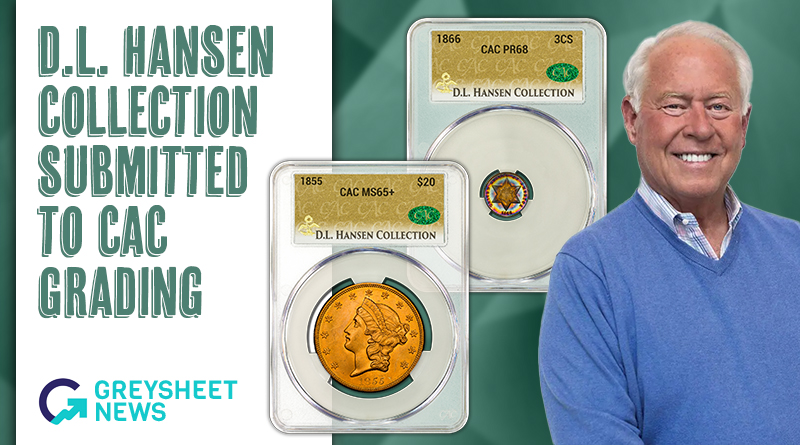
Prominent Collector Dell Loy Hansen Submitting His Historical Collection Of U.S. Coins To CAC Grading
8/8/2024
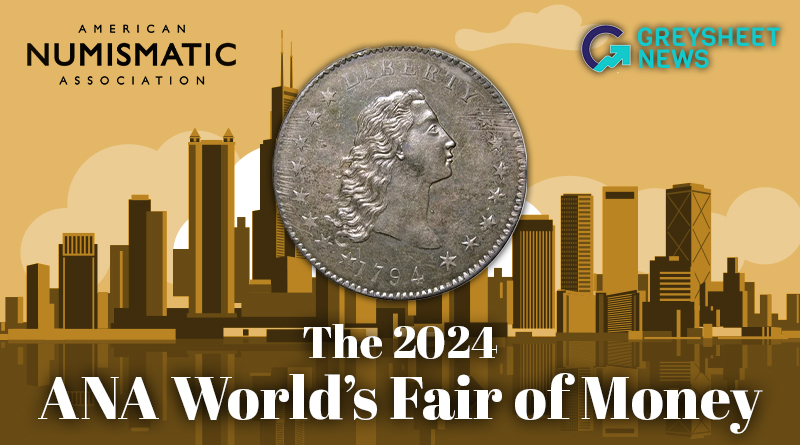
American Numismatic Association's Largest Coin Show, August 6-10 In Chicago
Dazzling rarities, free educational opportunities, family fun and more await at the Donald E. Stephens Convention Center
7/25/2024
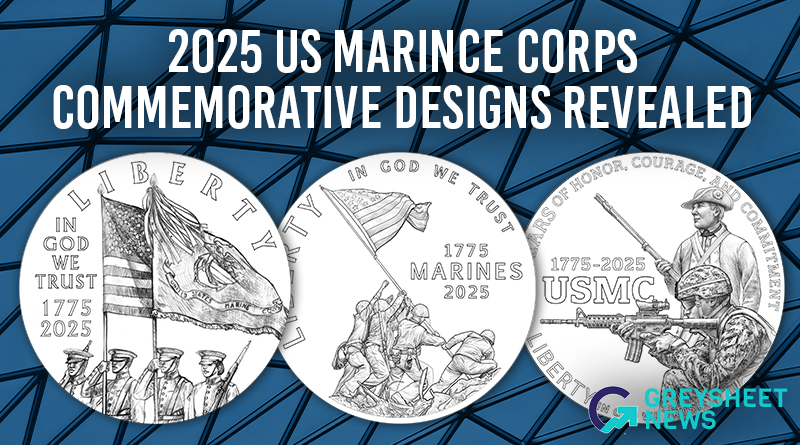
United States Mint Unveils Designs For The 2025 United States Marine Corps 250th Anniversary Commemorative Coin Program
The designs will be featured on a $5 gold coin, a $1 silver coin, and a half dollar clad coin.
7/23/2024
Events
Heritage Auctions: US Coins Tuesday & Wednesday Select Auction
Location: Heritage Auctions
Wednesday, July 1, 2026
Heritage Auctions: World & Ancient Coins Wednesday & Thursday Select Auction
Location: Heritage Auctions
Thursday, July 2, 2026