




 Whitman Expo



The unprecedented crossover underscores his personal efforts to combat “grade inflation.”
Thank you to our sponsors!
Go check them out!





From a total mintage of 300 coins for the year, the large letters variety is the scarcer of the two letter types with a mintage of 100, half of the reported small letters variety. With that said any proof Flying Eagle is scarce, and underrated especially compared to the 1856, with a mintage close to 1,500 coins. Proof examples of this issue are truly underrated.
Obverse Description
An eagle with wings extended in full flight fills the central obverse design with the words UNITED STATES OF AMERICA around the top periphery. The date is centered at the bottom.
Reverse Description
The reverse bears the denomination of ONE CENT in the center surrounded by a wreath bearing a ribbon tied in at the bottom center.
Book Reference
1858, Large Letters, Cent Production: The high output needed to replace 64 years of large copper cent coinage continued unabated in 1858. The Mint was having problems striking up the coins in the hard copper-nickel alloy. The dies tended to deteriorate more quickly than normal. New, shallower-relief dies were made for both the obverse (Small Letters) and the reverse (Low Leaves) to help extend the die life.
Survivability: Although scarcer today than the 1857 cents, these were distributed much more widely and are found more often in lower grades. At the time of the Civil War coinage shortage (from the summer of 1862 to early 1863), these were largely removed from circulation, only to reappear after the war. Any high-grade examples were probably held back from circulation at this time. By the time of the coinage redemption of the 1870’s most were called in and melted. The remaining pieces are either very worn or in very high grade. Problem-free EF and AU coins are very scarce.
Collecting Challenges: These are a bit scarcer than the 1857 issue, mainly because collectors have divided the issue between the two obverse design types. The optimal collecting grade for this date is MS-64. Coins in this grade are plentiful enough that quality pieces should be sought out.
Few collectors are aware of the reverse design changes made this year to help improve the die life. The type carried over from 1857 is a high-relief design, called High Leaves because the inner leaves are closer to the base of the C and T in CENT. The new lower-relief design, used this year only, is called Low Leaves. (See illustrations on next page.) Both can be found paired with the Large Letters obverse. Coin albums, which have changed little since the 1960’s, do not carry holes for these reverse types mentioned in the Red Book. Collector interest in reverse designs may shift the current lack of demand. If awareness increases, then specialists will need two examples of the 1858 Large Letters cent instead of just one.
Collecting Circulated Pieces: The optimal collecting grade for circulated coins is EF-40. Examples in low grades are plentiful and do not offer the best value because of a low resale percentage. These may be diffcult to find problem free, so a bit of patience is advised. Adventurous collectors may try and acquire both reverse types as well.
Collecting Mint State Pieces: The optimal collecting grade for Mint State coins is MS-64. These are generally more readily available than lower grades as the cheaper pieces are bought up quickly. MS-65 gems are very tough to locate. Some examples come with prooflike fields and are worth a premium.
High Leaves Reverse (Type of 1857).Low Leaves Reverse (Type of 1858).
Collecting Proof Issues: The estimated mintage of 80 reported in the Red Book is a low estimate based on year sets sold that year. The actual mintage is probably 100 or more, as a few extra pieces, probably numbering only 20, were struck for some pattern sets made this year.
The Proofs of this year are usually exceptional with deep mirror fields and outstanding strikes. The 1858 Large Letters Proofs are paired only with the High Leaves reverse.
1858, Large Letters: Circulation Strike
GSIDVG-8F-12VF-20EF-40AU-50AU-58MS-60MS-63:
15315$27$40$55$90$180$350$675$1,250
1858, Large Letters: Proof Strike
GSIDPF-60PF-63PF-65:
15317$4,750$6,250$17,000
VARIETIES:
The major variety of this year is the 1858, 8 Over 7, which is so popular it is given a separate listing in this guide. There is another lesser-known 1858, 8 Over 7, overdate (Snow-7), which is also a doubled die. There are six other obverse doubled dies known, most of which are available for a moderate premium, if found.
Some of the Low Leaf reverse dies are found with minor doubling as well. Two repunched dates are known, one of which (Snow-4) is very wide, and is also a doubled die!
Collectors might not be aware that prior to 1909 all dates were added to coinage dies separately from the rest of the design elements. This is why doubled dies affect the design and letters but not the date, while repunched dates affect only the date.
Catalog Information
GSID:
15317
Designer:
James B. Longacre
Obverse Designer:
James B. Longacre
Obverse Lettering:
UNITED STATES OF AMERICA, 1858
Reverse Designer:
James B. Longacre
Reverse Lettering:
ONE CENT
Weight (gr):
4.67 gr
Weight (oz):
0.165 oz
Strike Type:
Proof
Diameter:
19
Coin Shape:
Round
Edge:
Plain
Variety:
Flying Eagle
Variety 2:
Large Letters
Coin Date:
1858
Denomination:
1c
Designation:
PR
Mint Location:
Philadelphia
Mintage:
100
Coinage Type:
Flying Eagle Cent
Coinage Years:
1856-1858
Composition:
0.880 Copper; 0.120 Nickel
PCGS #:
2042
Send Catalog Feedback
To: editor@greysheet.com
Subject: I would like to contribute catalog info to CDN for 1858 1c Flying Eagle, Large Letters PR
Body: Referring page: http://dev.greysheet.com/prices/item/1858-1c-large-letters-united-states-flying-eagle-cents-proof/gsid/15317 GSID: 15317 Title: 1858 1c Flying Eagle, Large Letters PR
Subscribe to View
View more data, info, and visualizations. Get access to retail and wholesale pricing as well as auction data.
Coin Value History
1858 1c Flying Eagle, Large Letters PR
Value By Grade
1858 1c Flying Eagle, Large Letters PR
CPG (retail) values
Currency
Grade Range
Grading Authority
Sort by
Pricing
Values
Greysheet & CPG® Values
| Grade | CAC | CPG Value (Retail) | Greysheet Price (Wholesale) |
|---|---|---|---|
| PR67 |

|
$93,500 | $1,234 |
| PR67 | - | $78,000 | $1,234 |
| PR66 |
|
$1,234 | $1,234 |
| PR66 | - | $1,234 | $1,234 |
| PR65 |
|
$1,234 | $1,234 |
| PR65 | - | $1,234 | $1,234 |
| PR64 |
|
$1,234 | $1,234 |
| PR64 | - | $1,234 | $1,234 |
| PR63 |
|
$1,234 | $1,234 |
| PR63 | - | $1,234 | $1,234 |
| PR62 |
|
$1,234 | $1,234 |
| PR62 | - | $1,234 | $1,234 |
| PR61 |
|
$1,234 | $1,234 |
| PR61 | - | $1,234 | $1,234 |
| PR60 |
|
$1,234 | $1,234 |
| PR60 | - | $1,234 | $1,234 |
Flying Eagle Cent 1c 1856-1858 PR [Type]
![Flying Eagle Cent 1c 1856-1858 PR [Type]](https://images.greysheet.com/ctc/catalog/1856FlyingEagleCent_Obv.jpg?MaxWidth=200&Mode=Pad&Scale=UpscaleCanvas&format=webp)
Worth: $3,800 – $78,000
1856 1c Flying Eagle PR

Worth: $8,000 – $160,000
1856 1c Flying Eagle PR CAM

Worth: $19,500 – $75,000
1857 1c Flying Eagle PR

Worth: $3,800 – $55,000
1857 1c Flying Eagle PR CAM

Worth: $7,500 – $76,800
1858 1c Flying Eagle, Large Letters PR CAM

Worth: $8,500 – $90,000
1858 1c Flying Eagle, Small Letters PR

Worth: $4,200 – $78,000
1858 1c Flying Eagle, Small Letters PR CAM

Worth: $6,000 – $150,000
1858 1c Flying Eagle, Large Letters PR DCAM
Worth: $110,000 – $130,000
Flying Eagle Cent Set 1c 4 Coins PR

Worth: $25,600 – $213,000
1858 1C Large Letters, High Leaves Reverse, Close E in ONE, PR65 PCGS. CAC....

$16,213
1858 1C Large Letters PR63 PCGS. Snow-PR1,...

$7,200
1858 1C Large Letters PR64 PCGS. Snow-PR1. ...

$8,700
1858 1C Large Letters PR66 PCGS Secure. Snow-PR1. ...

$36,000
1858 1C LG LETTER
$4,025
1858 1C Large Letters PR65 PCGS. Snow PR1. Eagle Eye Photo Seal. Rick Snow estimates a mintage of 100 1858 Large Letters pr...

$15,000
1858 1C Large Letters PR63 PCGS. Snow-PR1....

$5,520
1858 1C Large Letters, High Leaves PR64 PCGS. Snow-PR1. ...

$8,225
1858 1C Large Letters, Snow-PR1, PR66 PCGS. ...

$32,900
1858 1C Large Letters PR65+ PCGS. CAC. Eagle Eye Photo Seal, card included. A single variety is known among proof Large Let...

$19,800
1858 1C Large Letters PR63 PCGS. Snow-PR1. Snow estimates a mintage of 100 1858 Large Letters proof cents. He writes: "Thes...

$6,600
1858 1C Large Letters PR64 PCGS. CAC. Snow-PR1. ...

$9,988
1858 1C Large Letters, High Leaves, PR66 PCGS. Snow PR1. ...

$44,650
1858 1C Large Letters PR65 PCGS. Snow-PR1. ...

$13,200
1858 1C Large Letters PR63 PCGS. Snow-PR1. ...

$6,300
1858 1C Large Letters PR64 PCGS. CAC. Snow-PR1. ...

$10,575
1858 1C Large Letters PR66 NGC. CAC. ...

$37,375
1C 1858 LARGE LETTERS. PCGS PR65+ CAC

$17,038
1858 1C Large Letters PR63 PCGS. Snow-PR1. ...

$6,304
1858 1C Large Letters PR64 PCGS. ...

$9,488
Greysheet News
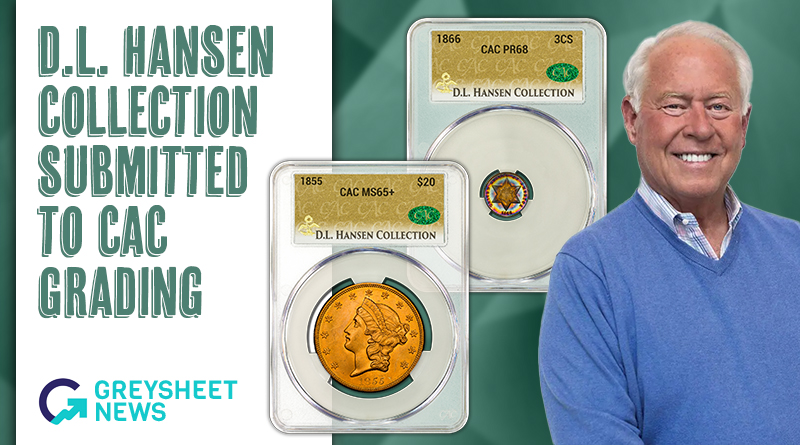
Prominent Collector Dell Loy Hansen Submitting His Historical Collection Of U.S. Coins To CAC Grading
8/8/2024
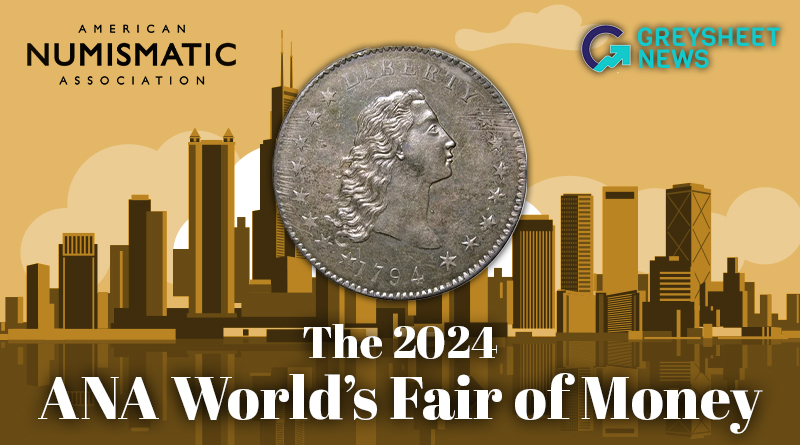
American Numismatic Association's Largest Coin Show, August 6-10 In Chicago
Dazzling rarities, free educational opportunities, family fun and more await at the Donald E. Stephens Convention Center
7/25/2024
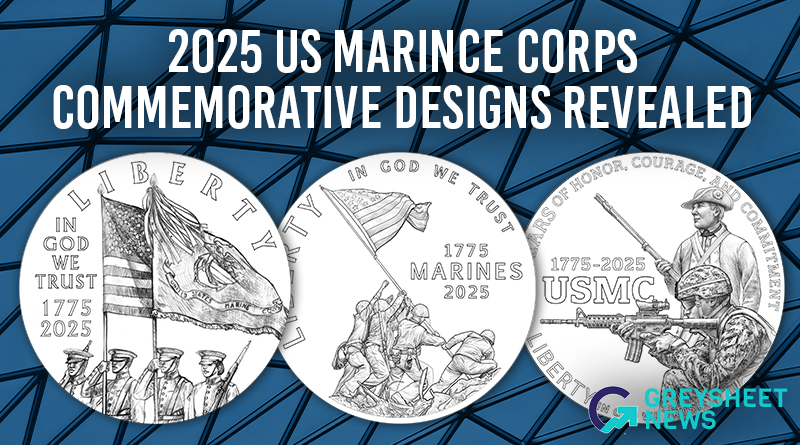
United States Mint Unveils Designs For The 2025 United States Marine Corps 250th Anniversary Commemorative Coin Program
The designs will be featured on a $5 gold coin, a $1 silver coin, and a half dollar clad coin.
7/23/2024
Events
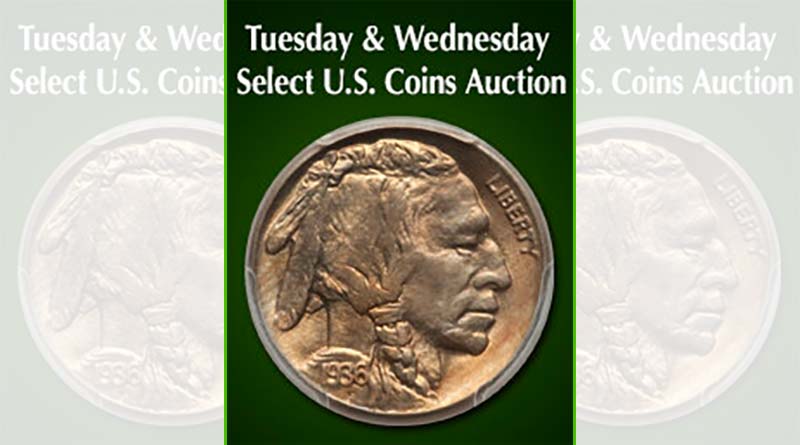
Heritage Auctions: US Coins Tuesday & Wednesday Select Auction
Location: Heritage Auctions
Wednesday, July 1, 2026
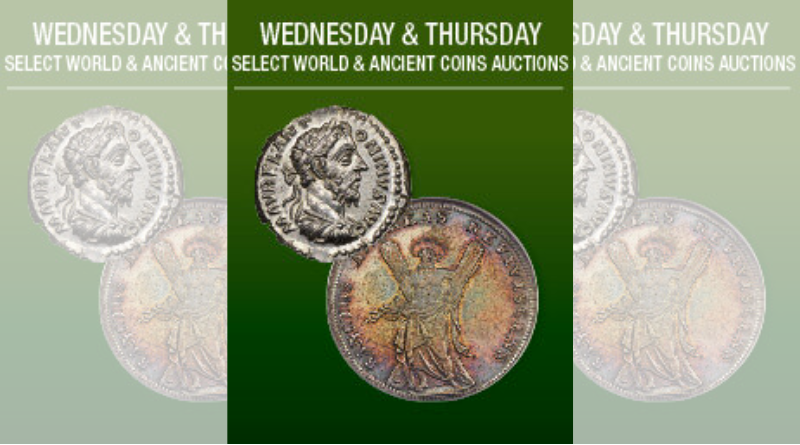
Heritage Auctions: World & Ancient Coins Wednesday & Thursday Select Auction
Location: Heritage Auctions
Thursday, July 2, 2026