




 Whitman Expo


The unprecedented crossover underscores his personal efforts to combat “grade inflation.”
Image Coming Soon
We're working on adding images for this item.
Thank you to our sponsors!
Go check them out!





Struck sometime in late-1834, after the U.S. standard for gold was changed, the Kagin-Transitional half eagle is the earliest $5 struck following Bechtler’s adoption of the 28-grain per dollar standard. It is apparent that Bechtler had not yet settled on a design for the new type. The obverse die, which Bechtler used regularly for every 20-carat half eagle issued through the late 1830s, bears the legend CAROLINA GOLD, as well as the coin’s weight and fineness, and AUGUST 1. 1834., the enaction date for the legislation that changed the composition of U.S. gold coins. The reverse lacks Christopher Bechtler’s first initial and the star typically found before it. This reverse die was barely used; the single example of this variety known today was discovered in 1983 by numismatist Daniel Freeman.
Obverse Description
140.G. AUGUST 1. 1834. 20. CARATS. CAROLINA GOLD
Reverse Description
5 DOLLARS. BECHTLER.AT RUTHERFORD
Book Reference
Struck sometime in late 1834, after the US standard for gold was changed, the KTransitional half eagle is the earliest $5 coin struck following Bechtler’s adoption of the 28-grain-per-dollar standard. It is apparent that Bechtler had not yet settled on a design for the new type. The obverse die, which Bechtler used regularly for every 20-cara.t half eagle issued through the late 1830’s, bears the lege.nd CA.ROLINA GOLD, as well as the coin’s weight and fineness, and AUGUST 1 1834, the enaction date for the legislation that changed the composition of US gold coins. The reverse lacks Christopher Bechtler’s first initial and the star typically found before it. This reverse die was barely used; the single example of this variety known today was discovered in 1983 by numismatist Daniel Freeman.
Obverse: 140 .G. AUGUST 1. 1834. 20. CARATS. CAROLINA GOLD.
Reverse: 5 DOLLARS. BECHTLER .AT RUTHERFORD
Fifth Issue (Late 1834): 28-Grain, 20-Carat Standard per Gold Dollar:
Following his adoption of the 28-grain, 20-carat per dollar standard, Christopher Bechtler manufactured a new obverse die for the gold dollar and a new reverse die for the half eagle, and completely redesigned the quarter eagle. In doing so, he established the basic layouts that he would adhere to until his death in 1842.
On these and all future Bechtler issues, the obverse would include information about the weight of the coin, and the reverse would bear the piece’s denomination. While Fifth Issue dollars and half eagles would be struck for only a short time, 70-grain quarter eagles appear to have been made until at least 1842.
Catalog Information
GSID:
11710
Designer:
Christopher Bechtler, Sr.
Obverse Designer:
Christopher Bechtler, Sr.
Obverse Lettering:
140.G. AUGUST 1. 1834. 20. CARATS. CAROLINA GOLD
Reverse Designer:
Christopher Bechtler, Sr.
Reverse Lettering:
5 DOLLARS. * C:BECHTLER.AT RUTHERFORD
Fineness:
0.8333
Strike Type:
Business
Coin Shape:
Round
Edge:
Reeded
Variety:
C. Bechtler
Variety 2:
RUTHERFORD, 140 GR, 20C, Dated Obverse, No Initial or Star, K-Transitional
Coin Date:
(1834)
Denomination:
G$5
Designation:
MS
Mint Location:
Carolina
Mintage:
Unique
Coinage Type:
Private & Pioneer Gold
Coinage Years:
1831-1842
Composition:
Gold
Rarity:
Unique
PCGS #:
10096
Send Catalog Feedback
To: editor@greysheet.com
Subject: I would like to contribute catalog info to CDN for (1834) G$5 C. Bechtler, RUTHERFORD, 140 GR, 20C, Dated Obverse, No Initial or Star, K-Transitional MS
Body: Referring page: http://dev.greysheet.com/prices/item/c-bechtler-five-dollar-140-gr-beaded-kagin-transitional-territorial-gold-coinage/gsid/11710 GSID: 11710 Title: (1834) G$5 C. Bechtler, RUTHERFORD, 140 GR, 20C, Dated Obverse, No Initial or Star, K-Transitional MS
Subscribe to View
View more data, info, and visualizations. Get access to retail and wholesale pricing as well as auction data.
Pricing Data Not Yet Available
We are constantly adding to our pricing database and prioritize user requests. Click below to request pricing for this item.
Request Pricing(1832-34) G$1 C. Bechtler, 30 GR, Reeded Edge, K-1 MS

Worth: $4,400 – $43,200
(1832-34) G$1 C. Bechtler, 30 GR, Plain Edge, K-1a MS
(1834) G$1 C. Bechtler, 28 GR, High, Reeded Edge, K-2 MS

Worth: $6,500 – $25,000
(1834) G$1 C. Bechtler, 28 GR, High, Plain Edge, K-2a MS
(1835-37) G$1 C. Bechtler, 28 GR, Center, Reeded Edge, K-3 MS

Worth: $4,250 – $25,000
(1835-37) G$1 C. Bechtler, 28 GR, Center, Plain Edge, K-3a MS
(1837-42) G$1 C. Bechtler, N Reversed, K-4 MS

Worth: $3,000 – $33,600
(1831) G$2 1/2 C. Bechtler, No 75 GR, Finely Beaded Reverse, K-5 MS

Worth: $26,000 – $126,000
(1831) G$2 1/2 C. Bechtler, No 75 GR, Coarse Beads, K-6 MS

Worth: $50,000 – $180,000
(1831) G$2 1/2 C. Bechtler, CAROLINA, K-7 MS

(1832) G$2 1/2 C. Bechtler, 75 GR, Beaded Border, K-8 MS

Worth: $32,500 – $66,000
(1832-34) G$2 1/2 C. Bechtler, 75 GR, with Star, K-9 MS

Worth: $80,000 – $96,000
(1837-42) G$2 1/2 C. Bechtler, 67 GR, 21C, K-10 MS

Worth: $7,500 – $66,000
(1835-37) G$2 1/2 C. Bechtler, 64 GR, 22C, Uneven, K-11 MS

Worth: $7,250 – $36,000
(1837-42) G$2 1/2 C. Bechtler, 64 GR, 22C, Even, K-12 MS

Worth: $6,800 – $72,000
Greysheet News
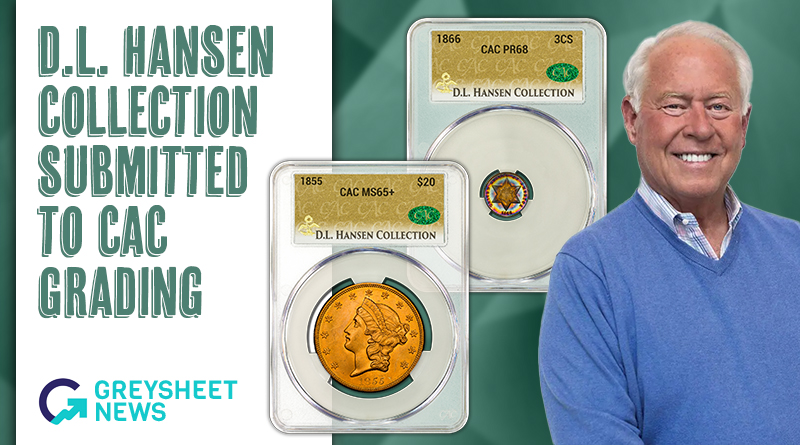
Prominent Collector Dell Loy Hansen Submitting His Historical Collection Of U.S. Coins To CAC Grading
8/8/2024
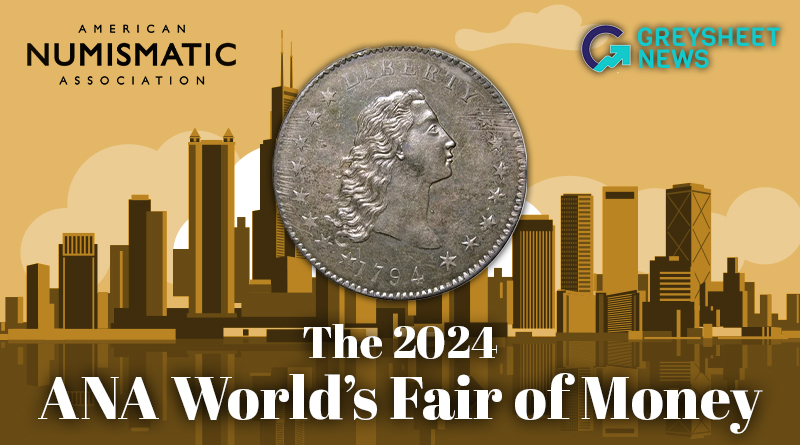
American Numismatic Association's Largest Coin Show, August 6-10 In Chicago
Dazzling rarities, free educational opportunities, family fun and more await at the Donald E. Stephens Convention Center
7/25/2024

United States Mint Unveils Designs For The 2025 United States Marine Corps 250th Anniversary Commemorative Coin Program
The designs will be featured on a $5 gold coin, a $1 silver coin, and a half dollar clad coin.
7/23/2024
Events
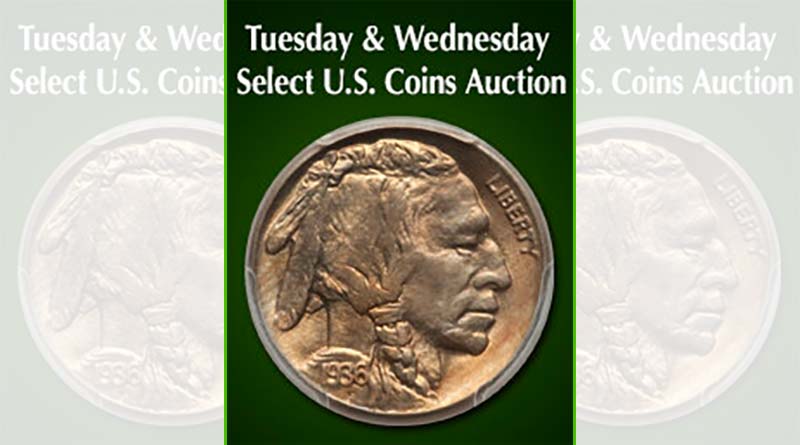
Heritage Auctions: US Coins Tuesday & Wednesday Select Auction
Location: Heritage Auctions
Wednesday, July 1, 2026
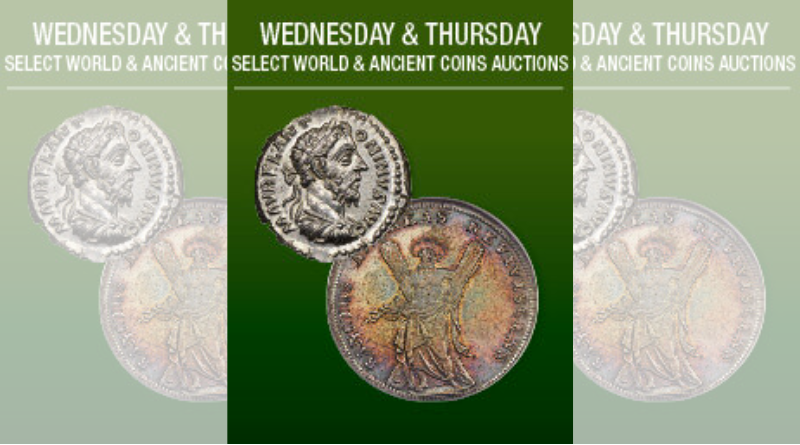
Heritage Auctions: World & Ancient Coins Wednesday & Thursday Select Auction
Location: Heritage Auctions
Thursday, July 2, 2026