



 Whitman Expo



The unprecedented crossover underscores his personal efforts to combat “grade inflation.”
Thank you to our sponsors!
Go check them out!




1874 Bickford International $10. The idea for this internationally denominated pattern came from Dana Bickford, who, upon his return from a trip abroad, proposed that the United States needed a coin that could be easily converted into the currencies of other nations. Bickford—an entrepreneur who devised many products, including hand-operated knitting machines—believed that travelers needed an easy way to convert money as they traveled from country to country. The back of “Dana Bickford’s International Coin,” as it was called in 1876, bore the weight of the coin (in gold), the fineness (or purity), and the value in six different international currencies. Unfortunately, because of the ever-changing relationship of world currencies, the Bickford pattern proved unworkable and “died on the vine.”
Obverse Description
Liberty head facing left, tiara inscribed LIBERTY and with six stars above. Across the neck is an olive branch with a ribbon at the back. UNITED STATES OF AMERICA / 1874 around border
Reverse Description
Inscription giving at the center the details of the coin: 16.72 / GRAMS / 900 FINE / UBIQUE, the last word meaning ubiquitous, or existing everywhere. Around, seven cartouches or areas framed with a cord design, enclosing inscriptions (from top, clockwise) DOLLARS 10; STERLING £2.1.1; MARKEN 41.99; KRONEN 37.31; GULDEN 20.73; FRANCS 51.81.
Catalog Information
GSID:
197956
Obverse Designer:
William Barber, Dana Bickford
Obverse Lettering:
UNITED STATES OF AMERICA, 1874
Reverse Designer:
William Barber, Dana Bickford
Strike Type:
Proof
Coin Shape:
Round
Edge:
Reeded
Variety:
Bickford, Aluminum
Variety 2:
J-1376
Coin Date:
1874
Denomination:
P$10
Designation:
PR
Mint Location:
Philadelphia
Coinage Type:
Pattern
Coinage Years:
1874
Composition:
Aluminum
Rarity:
8
PCGS #:
537350
Send Catalog Feedback
To: editor@greysheet.com
Subject: I would like to contribute catalog info to CDN for 1874 P$10 Bickford, Aluminum, J-1376 PR CAM
Body: Referring page: http://dev.greysheet.com/prices/item/1874-pattern-ten-dollar-judd-j-1376-cameo-surfaces/gsid/197956 GSID: 197956 Title: 1874 P$10 Bickford, Aluminum, J-1376 PR CAM
Subscribe to View
View more data, info, and visualizations. Get access to retail and wholesale pricing as well as auction data.
Pricing Data Not Yet Available
We are constantly adding to our pricing database and prioritize user requests. Click below to request pricing for this item.
Request Pricing1874 P1c Copper, J-1346 PR BN

Worth: $10,000 – $14,400
1874 DT1c Nickel, J-1346a PR

1874 P1c Aluminum, J-1347 PR

1874 P3c Copper, J-1348 PR BN
1874 P3c Aluminum, J-1349 PR
1874 P5c Copper, J-1350 PR BN

Worth: $5,800 – $7,800
1874 P5c Aluminum, J-1351 PR
Worth: $6,000 – $6,600
1874 P10c Copper, J-1352 PR BN

1874 P10c Aluminum, J-1353 PR
1874 P20c Silver, J-1354 PR

Worth: $4,000 – $12,000
1874 P20c Copper, J-1355 PR BN

1874 P20c Aluminum, J-1356 PR

Worth: $13,000 – $22,800
1874 P20c Silver, J-1357 PR
1874 P20c Nickel, J-1358 PR

1874 P25c Copper, J-1359 PR BN

Greysheet News
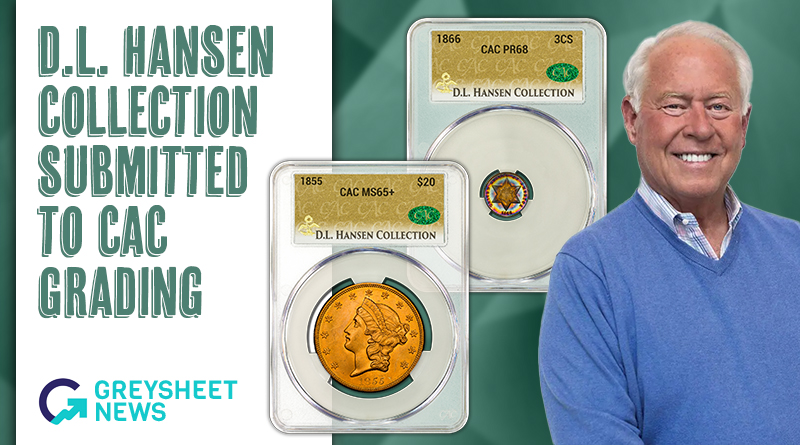
Prominent Collector Dell Loy Hansen Submitting His Historical Collection Of U.S. Coins To CAC Grading
8/8/2024
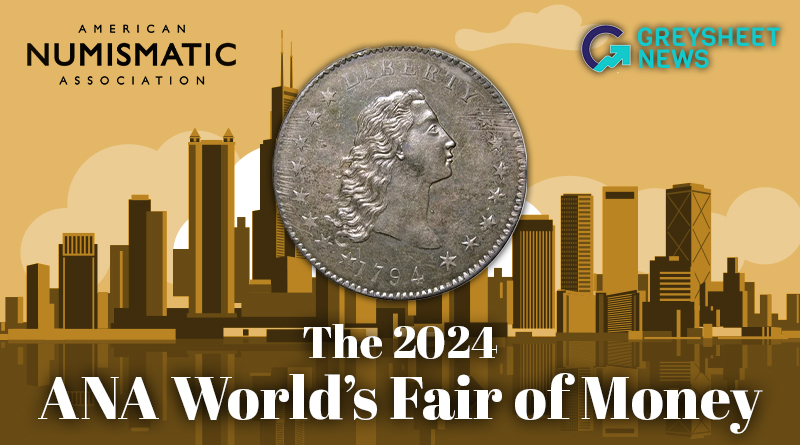
American Numismatic Association's Largest Coin Show, August 6-10 In Chicago
Dazzling rarities, free educational opportunities, family fun and more await at the Donald E. Stephens Convention Center
7/25/2024
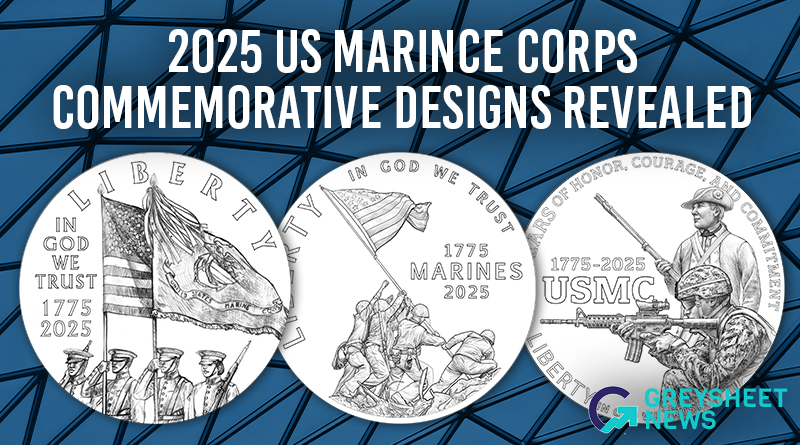
United States Mint Unveils Designs For The 2025 United States Marine Corps 250th Anniversary Commemorative Coin Program
The designs will be featured on a $5 gold coin, a $1 silver coin, and a half dollar clad coin.
7/23/2024
Events
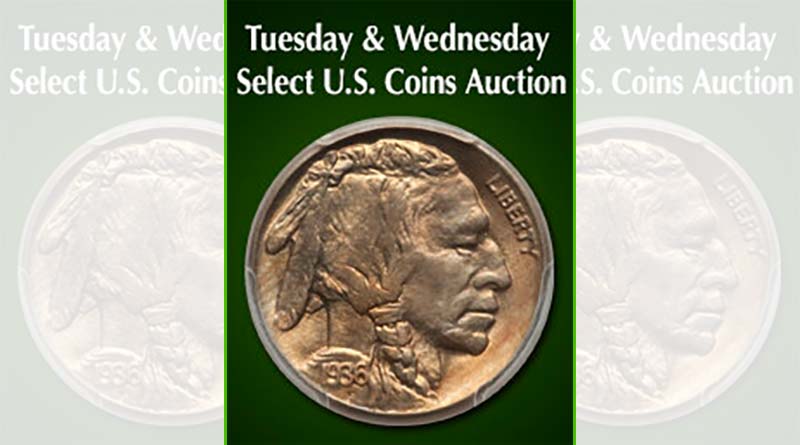
Heritage Auctions: US Coins Tuesday & Wednesday Select Auction
Location: Heritage Auctions
Wednesday, July 1, 2026
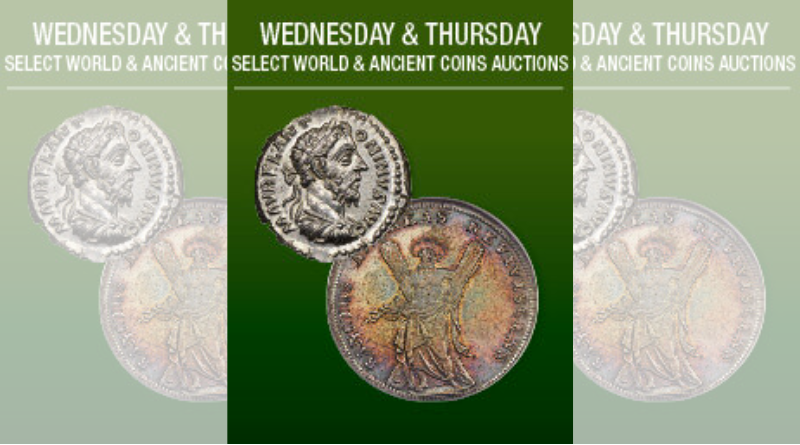
Heritage Auctions: World & Ancient Coins Wednesday & Thursday Select Auction
Location: Heritage Auctions
Thursday, July 2, 2026