



 Whitman Expo
![Image for Shield Nickel 5c No Rays, 1867-1883 PR [Type]](https://images.greysheet.com/Ctc/Catalog/ha_com_1291_4375-0.20200718080538892.jpg?MaxHeight=640&Mode=Pad&Scale=UpscaleCanvas&format=webp)


The unprecedented crossover underscores his personal efforts to combat “grade inflation.”
Thank you to our sponsors!
Go check them out!




Proof versions of the Shield nickel were struck during every year of the series run from 1866 through 1883. The Shield nickel, designed by James B. Longacre, became America's first copper-nickel five-cent coin and is the forerunner of the nickel that we use today in commerce.
Proof Shield nickels are generally scarce, with between 600 and 3,000 pieces struck during any given year, with a few exceptions. On the high end of proof production is the 1883 proof Shield nickel, with 5,419 specimens struck. On the low side is the 1867 Rays proof Shield nickel, which saw a mintage of merely 25 pieces.
There are a few interesting notes about proof Shield nickels. The extraordinarily scarce 1867 Without Rays Pattern Reverse Shield nickel is one of the most challenging issues. The 1877 and 1878 are proof-only dates for the Shield nickel and thus trade at much higher levels due to pressure from date-set collectors. Also of note is the scarce 1879/8 proof overdate, though estimates by Professional Coin Grading Service (PCGS) suggest this variety is probably about as common, or only a little less so, than the so-called normal date.
Obverse Description
A shield flanked on the left and right by leaves topped with a cross with arrows positioned behind at the bottom so the arrow heads and shanks protrude at the sides. The motto IN GOD WE TRUST appears at the top periphery with the date positioned at the bottom center.
Reverse Description
A large numeral 5 surrounded by 13 stars centered in the design with UNITED STATES OF AMERICA * CENTS around the periphery.
Book Reference
Designer: James B. Longacre. Weight: 5 grams. Composition: .750 copper, .250 nickel. Diameter: 20.5 mm. Edge: Plain. Mint: Philadelphia.
Key to Collecting: In early 1867, the Shield nickel motif was revised by eliminating the rays between the stars on the reverse. Afterward, the striking quality improved, as Mint officials hoped it would. However, the hard nickel-copper alloy was difficult to work with, and today it is a numismatic challenge to acquire choice pieces. Enough coins were made in circulation strike and Proof format that finding one will be no problem. However, it is important to keep an eye open for quality. Mint State coins are plentiful, especially of the last two dates in the series, 1882 and 1883.
Aspects of Striking and Appearance: The striking is generally much better than on the 1866 and 1867 With Rays style. Striking quality and aesthetic appeal are generally better for the later-dated coins. Issues of the 1860’s and 1870’s require special care to find quality pieces. Points to check include the horizontal shield lines and the star details. Die cracks are common among earlier dates and are sometimes a virtual network of tiny connecting lines—interesting to observe.
Proof Coins: Proofs of 1867 to 1876 are apt to vary in quality, and cherrypicking is advised. The 1877 and 1878 dates were made only in Proof format, the 1878 having a frosty surface not much different from a circulation strike in appearance. Proofs of the 1879 to 1883 years are generally of higher quality, with more mirrorlike fields and sharper details than found on earlier issues.
Catalog Information
GSID:
72356
Designer:
James B. Longacre
Obverse Designer:
James B. Longacre
Obverse Lettering:
IN GOD WE TRUST, [Date]
Reverse Designer:
James B. Longacre
Reverse Lettering:
5, UNITED STATES OF AMERICA, CENTS
Weight (gr):
5 gr
Weight (oz):
0.1608 oz
Strike Type:
Proof
Diameter:
20.5
Coin Shape:
Round
Edge:
Plain
Variety:
No Rays
Variety 2:
1867-1883
Coin Date:
Shield Nickel
Denomination:
5c
Designation:
PR
Mint Location:
Philadelphia
Coinage Type:
Shield nickel
Coinage Years:
1867-1883
Composition:
75% copper; 25% nickel
PCGS #:
3820
Send Catalog Feedback
To: editor@greysheet.com
Subject: I would like to contribute catalog info to CDN for Shield Nickel 5c No Rays, 1867-1883 PR [Type]
Body: Referring page: http://dev.greysheet.com/prices/item/shield-nickel-no-rays-five-cents-type-coin-proof-strike/gsid/72356 GSID: 72356 Title: Shield Nickel 5c No Rays, 1867-1883 PR [Type]
Subscribe to View
View more data, info, and visualizations. Get access to retail and wholesale pricing as well as auction data.
Coin Value History
Shield Nickel 5c No Rays, 1867-1883 PR [Type]
Value By Grade
Shield Nickel 5c No Rays, 1867-1883 PR [Type]
CPG (retail) values
Currency
Grade Range
Grading Authority
Sort by
Pricing
Values
Greysheet & CPG® Values
| Grade | CAC | CPG Value (Retail) | Greysheet Price (Wholesale) |
|---|---|---|---|
| PR68 |

|
$8,250 | $1,234 |
| PR68 | - | $7,000 | $1,234 |
| PR67 |
|
$1,234 | $1,234 |
| PR67 | - | $1,234 | $1,234 |
| PR66 |
|
$1,234 | $1,234 |
| PR66 | - | $1,234 | $1,234 |
| PR65 |
|
$1,234 | $1,234 |
| PR65 | - | $1,234 | $1,234 |
| PR64 |
|
$1,234 | $1,234 |
| PR64 | - | $1,234 | $1,234 |
| PR63 |
|
$1,234 | $1,234 |
| PR63 | - | $1,234 | $1,234 |
| PR62 |
|
$1,234 | $1,234 |
| PR62 | - | $1,234 | $1,234 |
| PR61 |
|
$1,234 | $1,234 |
| PR61 | - | $1,234 | $1,234 |
| PR60 |
|
$1,234 | $1,234 |
| PR60 | - | $1,234 | $1,234 |
| AU58 |
|
$1,234 | $1,234 |
| AU58 | - | $1,234 | $1,234 |
| AU55 |
|
$1,234 | $1,234 |
| AU55 | - | $1,234 | $1,234 |
| AU53 |
|
$1,234 | $1,234 |
| AU53 | - | $1,234 | $1,234 |
| AU50 |
|
$1,234 | $1,234 |
| AU50 | - | $1,234 | $1,234 |
| XF45 |
|
$1,234 | $1,234 |
| XF45 | - | $1,234 | $1,234 |
| XF40 |
|
$1,234 | $1,234 |
| XF40 | - | $1,234 | $1,234 |
Shield Nickel 5c Rays, 1866-1867 PR [Type]
![Shield Nickel 5c Rays, 1866-1867 PR [Type]](https://images.greysheet.com/Ctc/CatalogEntry/ha_com_1316_3020-2.20200624040933286.jpg?MaxWidth=200&Mode=Pad&Scale=UpscaleCanvas&format=webp)
Worth: $875 – $12,600
1866 5c Rays PR

Worth: $875 – $12,600
1867 5c Rays PR

Worth: $18,000 – $50,000
1867 5c No Rays PR

Worth: $180 – $1,800
1867 5c No Rays, Pattern Reverse, FS-1902 PR

Worth: $1,800 – $13,200
1868 5c PR

Worth: $180 – $3,500
1869 5c PR

Worth: $180 – $3,960
1870 5c PR

Worth: $180 – $1,080
1871 5c PR

Worth: $180 – $5,400
1872 5c PR

Worth: $180 – $3,600
1873 5c Closed 3 PR

Worth: $180 – $2,880
1874 5c PR

Worth: $180 – $3,120
1875 5c PR

Worth: $180 – $6,000
1876 5c PR

Worth: $180 – $2,640
1877 5c PR

Worth: $1,250 – $7,500
1875 5C PR64 PCGS. CDN: $515 Whsle. Bid for NGC/PCGS PR64. Mintage 700....
$702
1882 5C PR66 PCGS. CDN: $610 Whsle. Bid for NGC/PCGS PR66. Mintage 3,100....
$702
1883 5C PR65 PCGS. Ex: Trader Bea. CDN: $510 Whsle. Bid for NGC/PCGS PR65. Mintage 5,419. ...
$702
1880 5C PR55 PCGS. PCGS Population: 26 in 55, 1135 finer (12/25). CDN: $190 Whsle. Bid for NGC/PCGS PR55. Mintage 3,955....
$671
1877 5C PR61 PCGS. PCGS Population: 11 in 61, 438 finer (11/25). CDN: $2,000 Whsle. Bid for NGC/PCGS PR61. Mintage 900. ...
$2,684
1869 5C JD-1, High R.2, PR67 PCGS. ...
$4,148
1879 5C PR62 PCGS. PCGS Population: 18 in 62, 498 finer (12/25). CDN: $310 Whsle. Bid for NGC/PCGS PR62. Mintage 3,200. ...
$444
1880 5C PR63 PCGS. CDN: $405 Whsle. Bid for NGC/PCGS PR63. Mintage 3,955. ...
$528
1879 5C PR58 PCGS. PCGS Population: (11/498). Mintage 3,200. ...

$420
1877 5C PR40 PCGS. CAC. CAC Population: (1/84). Mintage 900. ...

$2,280
1878 5C PR25 NGC. CAC. CAC Population: (1/197). Mintage 2,350. ...

$840
1878 5C PR8 PCGS. PCGS Population: (3/912). NGC Census: (0/604). CDN: $675 Whsle. Bid for NGC/PCGS PR8 . Mintage 2,350. ...

$870
1878 5C -- Cleaned -- ANACS Details. Proof 60. Mintage 2,350. ...

$840
1880 5C PR3 NGC. NGC Census: (4/809). PCGS Population: (0/1177). Mintage 3,955....

$786
1879/8 5C PR68 PCGS. ...

$8,640
1879 5C PR45 PCGS. PCGS Population: (2/496 and 0/9+). NGC Census: (0/531 and 0/6+). Mintage 3,200. ...

$540
1880 5C PR10 PCGS. PCGS Population: (2/1123 and 0/10+). NGC Census: (1/771 and 0/6+). Mintage 3,955. ...

$780
1880 5C -- Heavily Corroded -- ANACS. Proof 20 Details. Mintage 3,955....

$324
1878 5C -- Plugged, Whizzed -- ANACS. Proof 50 Details. Mintage 2,350....

$516
1878 5C PR35 PCGS. CAC. PCGS Population: (1/883 and 0/16+). NGC Census: (0/577 and 0/7+). CDN: $890 Whsle. Bid for NGC/PCGS...

$810
Greysheet News
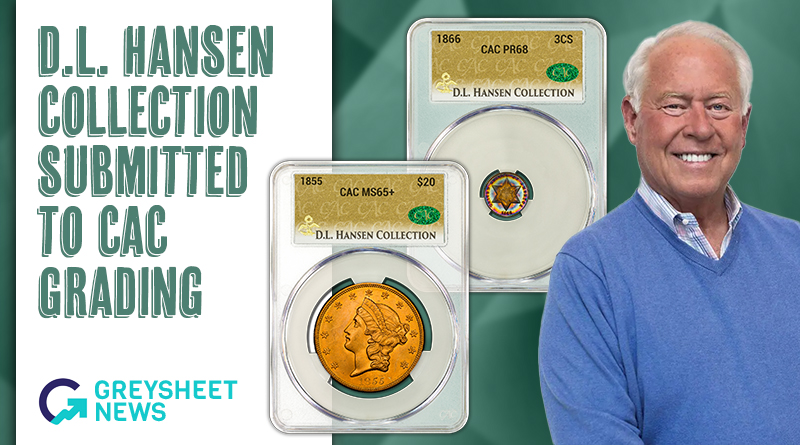
Prominent Collector Dell Loy Hansen Submitting His Historical Collection Of U.S. Coins To CAC Grading
8/8/2024
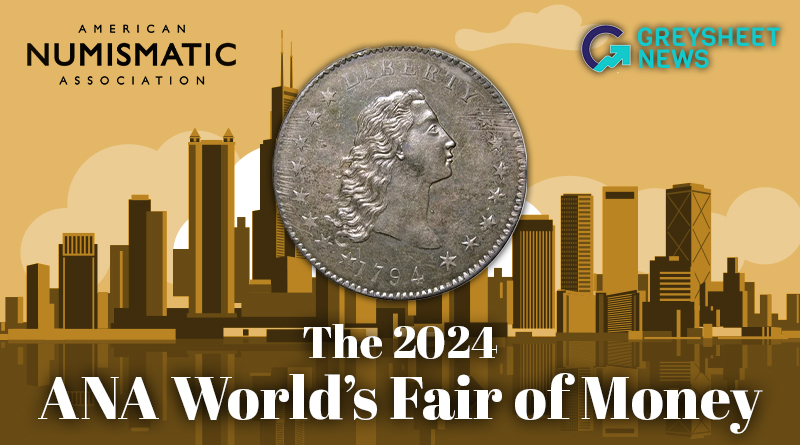
American Numismatic Association's Largest Coin Show, August 6-10 In Chicago
Dazzling rarities, free educational opportunities, family fun and more await at the Donald E. Stephens Convention Center
7/25/2024
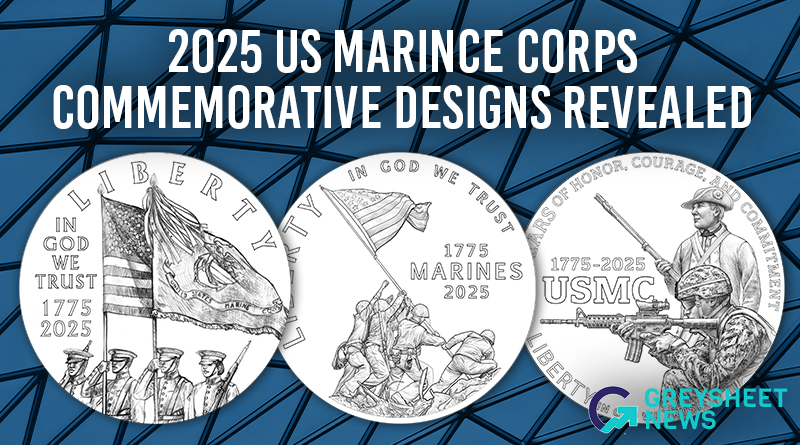
United States Mint Unveils Designs For The 2025 United States Marine Corps 250th Anniversary Commemorative Coin Program
The designs will be featured on a $5 gold coin, a $1 silver coin, and a half dollar clad coin.
7/23/2024
Events
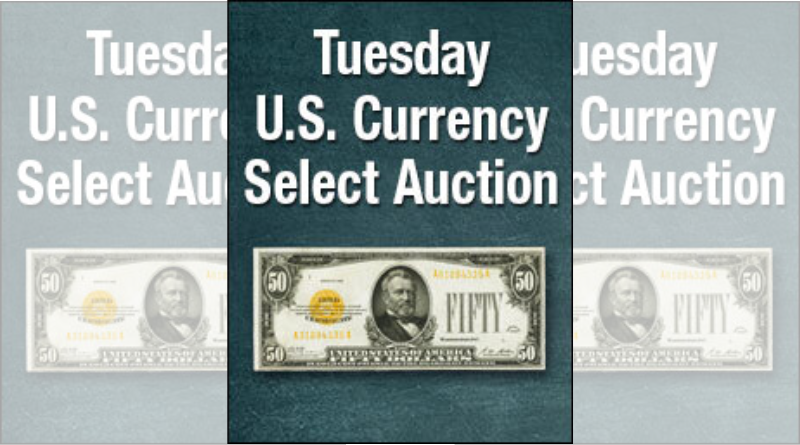
Heritage Auctions: US Currency Tuesday Select Auction
Location: Heritage Auctions
Tuesday, June 2, 2026
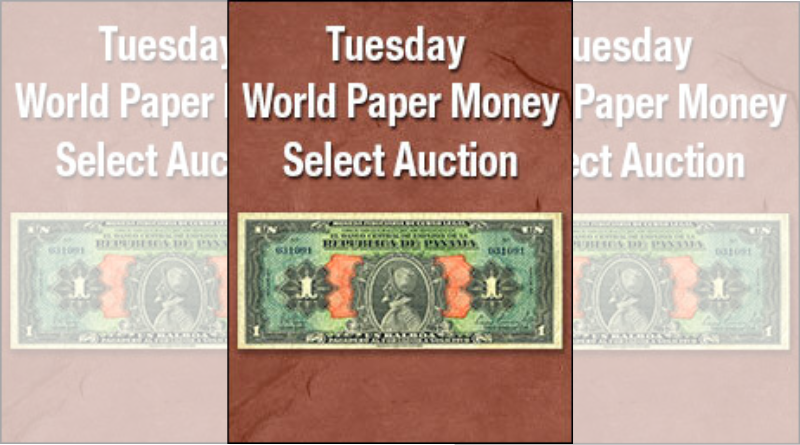
Heritage Auctions: World Paper Money Tuesday Select Auction
Location: Heritage Auctions
Tuesday, June 2, 2026
Heritage Auctions: US Coins Tuesday & Wednesday Select Auction
Location: Heritage Auctions
Wednesday, June 3, 2026