




 Whitman Expo



The Reserve Bank of New Zealand have released a new range of collector coins in celebration of the Paris Olympics.
Thank you to our sponsors!
Go check them out!





Continental currency was authorized on May 10, 1775 in a session of the Continental Congress and became the first federally issued paper money, predating the official birth of the United States by more than a full year. Continental currency is particularly historic because its issuance helped finance the American Revolution, which spanned from 1775 through 1783 and secured the United States as an independent nation. The notes were styled after Pennsylvania notes in use at that time and printed by Hall and Sellers in Philadelphia on thick rag paper with mica flakes and blue fibers manufactured by Ivy Mills in nearby Chester, Pennsylvania. The notes, which did not bear interest, were promises to pay the bearer and circulated alongside colonial paper currency issued by the individual colonies. While the notes promised payment to their bearers and were redeemed with the taxes collected by the individual colonies, the notes became virtually worthless after runaway inflation set in, causing many in the public to lose confidence in paper currency, giving rise to the phrase not worth a Continental. The dramatic devaluation of Continental currency did little to instill public confidence in paper currency, which the United States would not print again until the start of the Civil War in 1861.
Catalog Information
GSID:
65367
Variety:
Continental Congress
Coin Date:
May 9, 1776
Denomination:
$1
PCGS #:
CC31
Send Catalog Feedback
To: editor@greysheet.com
Subject: I would like to contribute catalog info to CDN for May 9, 1776 $1 Continental Congress (Fr. CC31)
Body: Referring page: http://dev.greysheet.com/prices/item/continental-congress-may-9-1776-one-dollar-friedberg-cc31/gsid/65367 GSID: 65367 Title: May 9, 1776 $1 Continental Congress (Fr. CC31)
Subscribe to View
View more data, info, and visualizations. Get access to retail and wholesale pricing as well as auction data.
Bank Note Value History
May 9, 1776 $1 Continental Congress (Fr. CC31)
Value By Grade
May 9, 1776 $1 Continental Congress (Fr. CC31)
CPG (retail) values
Currency
Grade Range
Sort by
Pricing
Values
Greensheet & CPG® Values
May 9, 1776 $2 Continental Congress (Fr. CC32)

Worth: $40 – $9,000
May 9, 1776 $3 Continental Congress (Fr. CC33)

Worth: $50 – $6,000
May 9, 1776 $4 Continental Congress (Fr. CC34)

Worth: $50 – $3,000
May 9, 1776 $5 Continental Congress (Fr. CC35)

Worth: $70 – $2,800
May 9, 1776 $6 Continental Congress (Fr. CC36)

Worth: $50 – $4,000
May 9, 1776 $7 Continental Congress (Fr. CC37)

Worth: $50 – $4,000
May 9, 1776 $8 Continental Congress (Fr. CC38)

Worth: $50 – $3,000
Continental Currency May 9, 1776 $1 PMG Very Fine 20....

$336
Continental Currency May 9, 1776 $1 PCGS Choice About New 58....

$1,080
Continental Currency May 9, 1776 $1 PCGS Choice About New 55PPQ....

$1,200
Continental Currency May 9, 1776 $1 PMG Choice Very Fine 35....

$528
Continental Currency May 9, 1776 $1 PMG Choice Uncirculated 64 EPQ....

$4,800
Continental Currency May 9, 1776 $1 PMG About Uncirculated 50....

$1,020
Continental Currency May 9, 1776 $1 PMG Very Fine 30. ...

$336
Continental Currency May 9, 1776 $1 PMG Choice Uncirculated 63 EPQ. ...

$1,680
Continental Currency May 9, 1776 $1 PMG Extremely Fine 40. ...

$301
Continental Currency May 9, 1776 $1 PMG About Uncirculated 53 Net. ...

$312
Continental Currency May 9, 1776 $1 PCGS Very Fine 25. ...

$186
Continental Currency May 9, 1776 $1 Fr. CC-31. PCGS Extremely Fine 45PPQ. ...

$1,110
Continental Currency May 9, 1776 $1 Fr. CC-31. PCGS Gem New 66PPQ. ...

$5,640
Continental Currency May 9, 1776 $1 PCGS Fine 15. ...

$129
Continental Currency May 9, 1776 Blue Counterfeit Detector $1 PCGS New 62. ...

$317
Continental Currency May 9, 1776 $1 PCGS Apparent Very Good 08. ...

$51
Continental Currency May 9, 1776 $1 PCGS Apparent Fine 12. ...

$84
Continental Currency May 9, 1776 $1 PMG Very Good 10 Net. ...

$75
Continental Currency May 9, 1776 $1 PMG Very Fine 20. ...

$252
Continental Currency May 9, 1776 $1-$2-$3-$4-$8-$7-$6-$5 Counterfeit Detector Uncut Sheet PMG Choice About Unc 58. ...

$3,600
Greysheet News
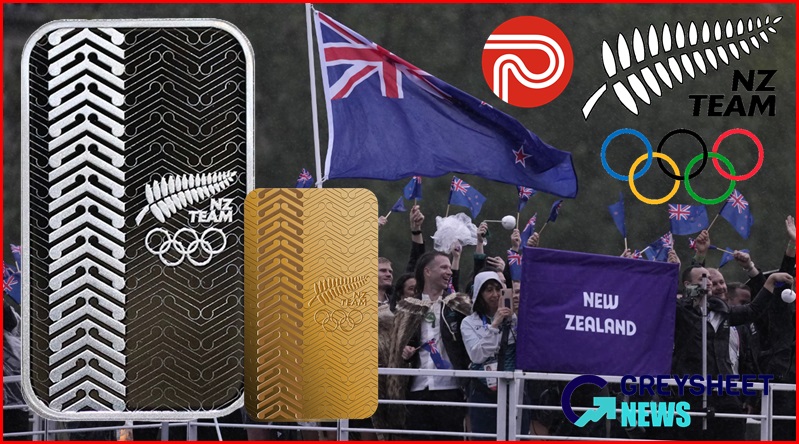
New Zealand: New Ingot-shape Gold And Silver Proof Coins Celebrates National Olympic Team In Paris
8/9/2024
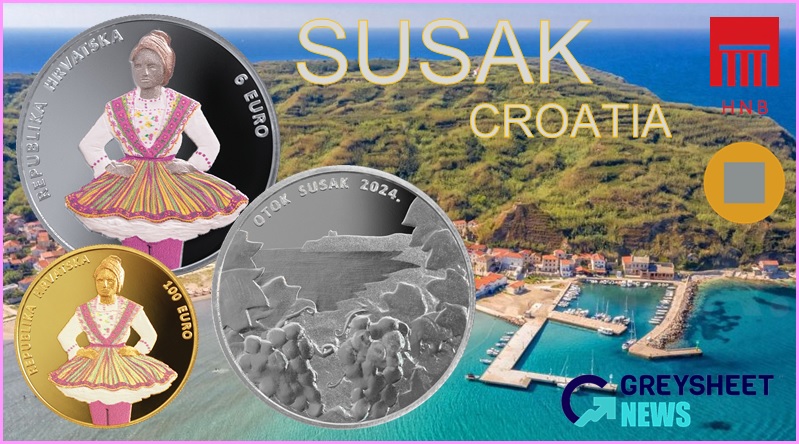
Croatia: Distinctive Traditional Costume Features On New Gold And Silver Proof And Colour Coins
The Croatian National Bank issue new gold and silver collector coins in the Croatian Heritage series.
8/8/2024
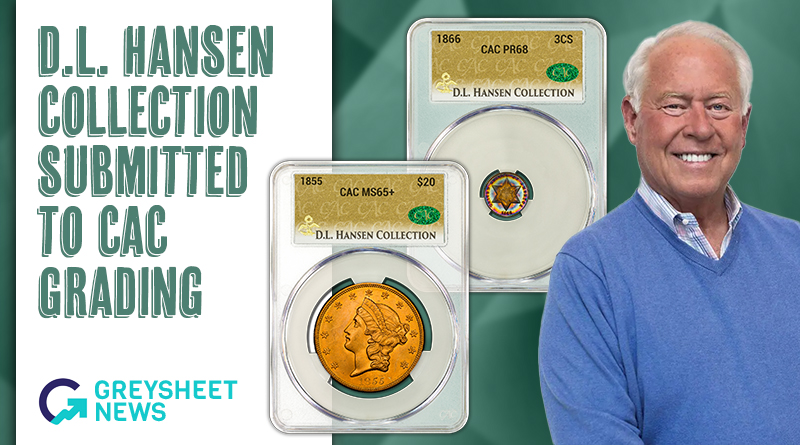
Prominent Collector Dell Loy Hansen Submitting His Historical Collection Of U.S. Coins To CAC Grading
The unprecedented crossover underscores his personal efforts to combat “grade inflation.”
8/8/2024
Events

GreatCollections Coin, Currency, World Money, and World Coins Auctions
Location: https://www.greatcollections.com/Auction-Archive
Sunday, May 3, 2026
GreatCollections Coin, Currency, World Money, and World Coins Auctions
Location: https://www.greatcollections.com/Auction-Archive
Sunday, May 10, 2026