



 Whitman Expo



The unprecedented crossover underscores his personal efforts to combat “grade inflation.”
Thank you to our sponsors!
Go check them out!




This date has a low mintage of 1,000 coins of which most were saved, making this issue tough but extremely accessible. Commonly found in most grades and becoming scarce only as a gem. More difficult to locate with cameo surfaces and nonexistent with a deep cameo. Look for pastel type toning in nice gems.
Obverse Description
A shield flanked on the left and right by leaves topped with a cross with arrows positioned behind at the bottom so the arrow heads and shanks protrude at the sides. The motto IN GOD WE TRUST appears at the top periphery with the date positioned at the bottom center.
Reverse Description
A large numeral 5 surrounded by 13 stars centered in the design with UNITED STATES OF AMERICA * CENTS around the periphery.
Book Reference
Key to Collecting: The 1870 Shield nickel is fairly scarce in all grades. When Mint State coins are found, they are apt to be less than MS-65. Gems with sharp details and good eye appeal are in the minority. Proofs have a problem with quality, too, and some searching is needed to find a nice one.
CIRCULATION STRIKES:
Characteristics and Appearance: Striking is about the same as found with 1869— better than for previous years, but still usually seen with some weakness on the horizontal shield lines and star centers.
PROOF STRIKES:
Characteristics and Appearance: Regular Shield nickel Proof dies of the year, but usually seen with the reverse so highly polished that some of the details of the letters— such as sections from the tops of D, S, S, F, and R in UNITED STATES OF AMERICA, and the bottom of the S in CENTS—are removed. This die was also used on certain patterns. However, some Proofs are from a perfect die without broken letters. Proofs can vary in quality, with flaky or imperfect planchets.
Detail of Proof die showing the D in UNITED
and the S in STATES broken at the top.
VARIETIES:
Doubled-Die Obverse—If there is a numismatic equiva-lent to the Guide Michelin, it is the Fivaz-Stanton Cherry-pickers’ Guide to Rare Die Varieties. The authors rate the Interest Factor to determine whether a variety is (to continue the analogy) worth a special trip—this being five stars (points). Then come four stars, perhaps worth a detour. Three-star varieties are mainly of interest to specialists, who are not in the mainstream of the hobby. Two-star varieties seem to be scarcely worthy of notice, but can be interesting. As to one-star varieties, they are not listed. For 1870, Fivaz-Stanton have four 5-star attractions, including FS-103, F-03, which combines a doubled-die obverse (most noticeable on the annulet below the cross) and a slightly repunched date. It is rated as URS-4, meaning an estimated population of 5 to 8 pieces. The Shield Nickel Viewer, by Howard Spindel, adds this:
There are three doubled die reverses for 1870 that are extraordinarily interesting because they combine different hub designs. The FS-05-005.9 [FS-801] is Reverse Style F hubbed over a Reverse Style D. Even more interesting, there are two different doubled-die reverses showing a Reverse Style D hubbed over a Reverse Style F, giving the appearance of an 1870 with a Reverse Style D. Reference books say only that 1870 Reverse Style D is “rumored to exist.” Both of the latter varieties are documented in the Shield Nickel Viewer (but nowhere else). The FS-05-005.9 [FS-801] is more available than the other two doubled-die reverses.
Clashed Die—FS-301, F-15, Flynn-MPD-001 (as it also has a misplaced date), with the comment that three or four are known, including one in Mint State. An interesting and rare 1870 Shield nickel was discovered by Ken Hill in 1994. In my 1996 book, A Buyer’s and Enthu-siast’s Guide to Flying Eagle and Indian Cents, I gave some notice to it and added an illustration. In April 1996, I learned that only one other had come to light since 1994, an example in the inventory of Larry Briggs. Today, the variety remains extremely rare. In 2005, one surfaced on eBay.8 Ken Hill recently added this: “I have attributed an Abt. G-3 coin, have seen a VF, and have heard from Michael Fey that he found an AU-58.”9 The obverse shows clash-mark impressions of the obverse of an Indian cent die. The face and headdress of Liberty appear clearly and in an inverted position in the background areas between the shield stripes on the nickel. The Indian cent obverse die was in the hammer (or top, movable) part of the setup in the coining press, while the obverse for the Shield nickel was in the anvil (or stake, immobile) position at the bottom.10 This clashing was probably inadvertent and was caused by mismatched dies in the press during the press setup process (much in the manner that the famous 1857 clashed-die Flying Eagle cents were created).
On the other hand, Thomas K. DeLorey, who has studied two-denomination clashed dies in various series, noted, “I believe that all of the dual-denomination clash mark varieties were deliberate mulings to create novelties.”11 On this 1870 nickel, the 1 in 1870 is lightly quadruple-punched.12 URS-2.
Repunched Date, Misplaced Date—Known as FS-302, Fletcher-01, and FlynnMPD-001, this misplaced date shows the top of a 0 in the denticles below and to the left of the regular 0 in 1870. Although opinions differ, I believe that most misplaced dates were made by using a numeral punch (not necessarily the one used for the full date) and making a tiny, “test” tap with it, in an unobtrusive spot, to determine the hardness of the die.
Doubled-Die Reverse—The reverse of this variety (FS-801, F-14) was first punched by a master die for the normal reverse, then overpunched with a master die for the Reverse of 1868. The illustration shows the star pointing to the M in AMERICA and the rays from each style. This is a very important variety from a technical viewpoint, but few collectors are aware of it.
Catalog Information
GSID:
2904
Designer:
James B. Longacre
Obverse Designer:
James B. Longacre
Obverse Lettering:
IN GOD WE TRUST, 1870
Reverse Designer:
James B. Longacre
Reverse Lettering:
5, UNITED STATES OF AMERICA, CENTS
Weight (gr):
5 gr
Weight (oz):
0.1608 oz
Strike Type:
Proof
Diameter:
20.5
Coin Shape:
Round
Edge:
Plain
Coin Date:
1870
Denomination:
5c
Designation:
PR
Mint Location:
Philadelphia
Mintage:
1,000
Coinage Type:
Shield nickel
Coinage Years:
1867-1883
Composition:
75% copper; 25% nickel
PCGS #:
3824
Send Catalog Feedback
To: editor@greysheet.com
Subject: I would like to contribute catalog info to CDN for 1870 5c PR
Body: Referring page: http://dev.greysheet.com/prices/item/1870-five-cents-proof-shield-nickel/gsid/2904 GSID: 2904 Title: 1870 5c PR
Subscribe to View
View more data, info, and visualizations. Get access to retail and wholesale pricing as well as auction data.
Coin Value History
1870 5c PR
Value By Grade
1870 5c PR
CPG (retail) values
Currency
Grade Range
Grading Authority
Sort by
Pricing
Values
Greysheet & CPG® Values
| Grade | CAC | CPG Value (Retail) | Greysheet Price (Wholesale) |
|---|---|---|---|
| PR66 |

|
$1,350 | $1,234 |
| PR66 | - | $1,150 | $1,234 |
| PR65 |
|
$1,234 | $1,234 |
| PR65 | - | $1,234 | $1,234 |
| PR64 |
|
$1,234 | $1,234 |
| PR64 | - | $1,234 | $1,234 |
| PR63 |
|
$1,234 | $1,234 |
| PR63 | - | $1,234 | $1,234 |
| PR62 |
|
$1,234 | $1,234 |
| PR62 | - | $1,234 | $1,234 |
| PR61 |
|
$1,234 | $1,234 |
| PR61 | - | $1,234 | $1,234 |
| PR60 |
|
$1,234 | $1,234 |
| PR60 | - | $1,234 | $1,234 |
| AU58 |
|
$1,234 | $1,234 |
| AU58 | - | $1,234 | $1,234 |
| AU55 |
|
$1,234 | $1,234 |
| AU55 | - | $1,234 | $1,234 |
| AU53 |
|
$1,234 | $1,234 |
| AU53 | - | $1,234 | $1,234 |
| AU50 |
|
$1,234 | $1,234 |
| AU50 | - | $1,234 | $1,234 |
| XF45 |
|
$1,234 | $1,234 |
| XF45 | - | $1,234 | $1,234 |
| XF40 |
|
$1,234 | $1,234 |
| XF40 | - | $1,234 | $1,234 |
Shield Nickel 5c Rays, 1866-1867 PR [Type]
![Shield Nickel 5c Rays, 1866-1867 PR [Type]](https://images.greysheet.com/Ctc/CatalogEntry/ha_com_1316_3020-2.20200624040933286.jpg?MaxWidth=200&Mode=Pad&Scale=UpscaleCanvas&format=webp)
Worth: $875 – $12,600
1866 5c Rays PR

Worth: $875 – $12,600
1867 5c Rays PR

Worth: $18,000 – $50,000
Shield Nickel 5c No Rays, 1867-1883 PR [Type]
![Shield Nickel 5c No Rays, 1867-1883 PR [Type]](https://images.greysheet.com/Ctc/Catalog/ha_com_1291_4375-0.20200718080538892.jpg?MaxWidth=200&Mode=Pad&Scale=UpscaleCanvas&format=webp)
Worth: $180 – $6,600
1867 5c No Rays PR

Worth: $180 – $1,800
1867 5c No Rays, Pattern Reverse, FS-1902 PR

Worth: $1,800 – $13,200
1868 5c PR

Worth: $180 – $3,500
1869 5c PR

Worth: $180 – $3,960
1871 5c PR

Worth: $180 – $5,400
1872 5c PR

Worth: $180 – $3,600
1873 5c Closed 3 PR

Worth: $180 – $2,880
1874 5c PR

Worth: $180 – $3,120
1875 5c PR

Worth: $180 – $6,000
1876 5c PR

Worth: $180 – $2,640
1877 5c PR

Worth: $1,250 – $7,500
1870 5C PR64 PCGS. CDN: $515 Whsle. Bid for NGC/PCGS PR64. Mintage 1,000. ...
$549
1870 5C PR65 PCGS. Housed in a Generation 1.2 "rattler" holder. PCGS Population: (78/15). CDN: $550 Whsle. Bid for NGC/PCGS...

$900
1870 5C PR66 PCGS. PCGS Population: (18/0). Mintage 1,000. ...

$919
1870 5C PR63 PCGS. CAC. PCGS Population: (72/237). NGC Census: (45/216). CDN: $360 Whsle. Bid for NGC/PCGS PR63. Mintage 1,...

$516
1870 5C PR62 PCGS. PCGS Population: (19/309). NGC Census: (12/261). CDN: $280 Whsle. Bid for NGC/PCGS PR62. Mintage 1,000. ...

$312
1870 5C --Obverse Planchet Flaw--NCS. Proof. NGC Census: (0/0). PCGS Population (0/0). Mintage: 1,000. (#3824)...

$276
1870 5C PR61 ANACS. NGC Census: (3/230). PCGS Population (4/265).Mintage: 1,000. Numismedia Wsl. Price: $175. (#3824)...
$230
1870 5C PR64 NGC. CDN: $515 Whsle. Bid for NGC/PCGS PR64. Mintage 1,000. ...

$576
1870 5C PR65 PCGS. PCGS Population: (78/19). Mintage 1,000. ...

$564
1870 5C PR66 PCGS. CAC. PCGS Population: (15/0). NGC Census: (19/0). CDN: $900 Whsle. Bid for NGC/PCGS PR66. Mintage 1,000....

$1,260
1870 5C PR63 PCGS. PCGS Population: (72/236). NGC Census: (45/208). CDN: $360 Whsle. Bid for NGC/PCGS PR63. Mintage 1,000. ...

$336
1870 5C PR62 NGC. NGC Census: (11/252). PCGS Population: (19/305). CDN: $260 Whsle. Bid for NGC/PCGS PR62. Mintage 1,000. ...

$288
1870 5C PR60 ANACS....
$288
Multiple Coin Lot...
$575
1870 5C PR64 NGC. Mintage 1,000. ...

$504
1870 5C PR65 PCGS. PCGS Population: (78/18). Mintage 1,000. ...

$690
1870 5c PCGS Proof 66

$1,275
1870 5C PR63 PCGS. PCGS Population: (71/234). NGC Census: (45/209). CDN: $305 Whsle. Bid for NGC/PCGS PR63. Mintage 1,000. ...

$504
1870 5C PR62 PCGS. PCGS Population: (19/305). NGC Census: (11/255). CDN: $260 Whsle. Bid for NGC/PCGS PR62. Mintage 1,000. ...

$240
1870 5C PR64 PCGS. CAC. CAC Population: (15/29). Mintage 1,000. ...

$504
Greysheet News
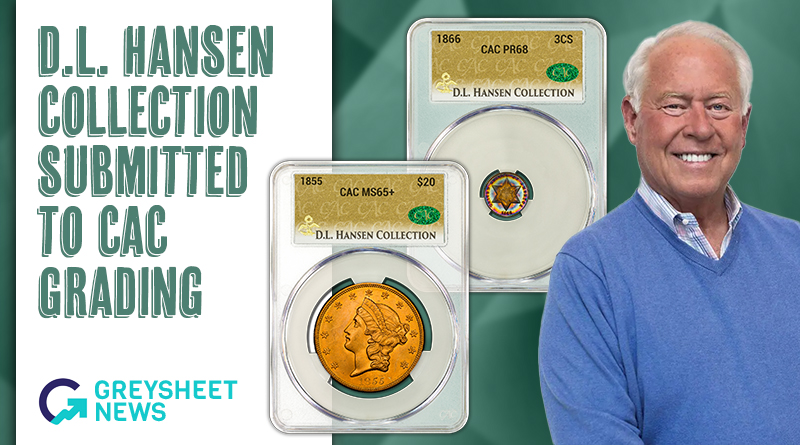
Prominent Collector Dell Loy Hansen Submitting His Historical Collection Of U.S. Coins To CAC Grading
8/8/2024
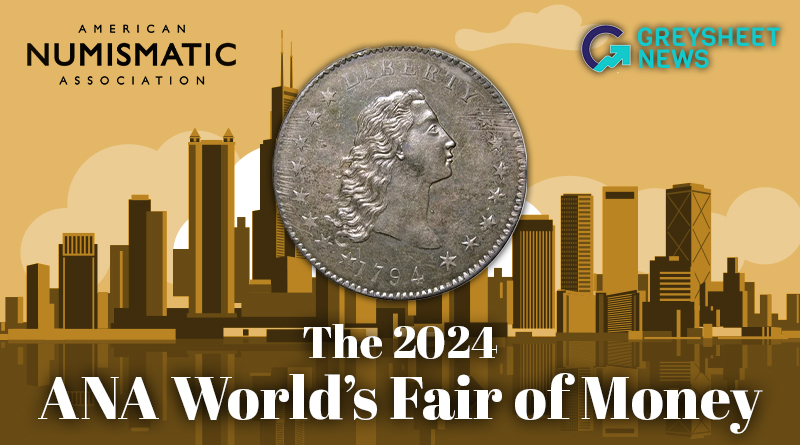
American Numismatic Association's Largest Coin Show, August 6-10 In Chicago
Dazzling rarities, free educational opportunities, family fun and more await at the Donald E. Stephens Convention Center
7/25/2024
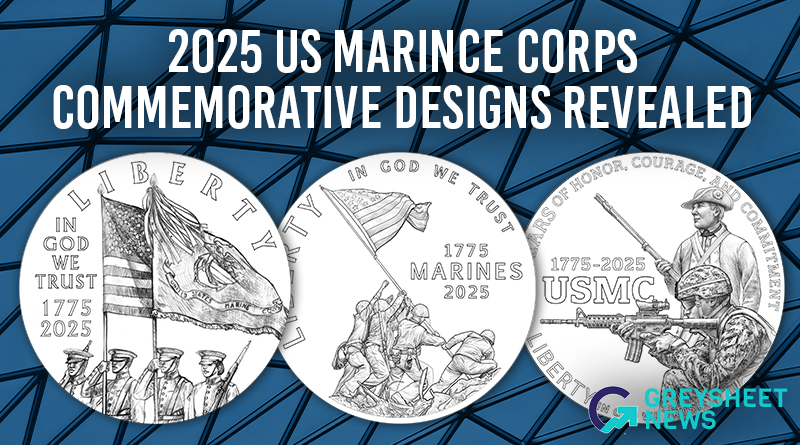
United States Mint Unveils Designs For The 2025 United States Marine Corps 250th Anniversary Commemorative Coin Program
The designs will be featured on a $5 gold coin, a $1 silver coin, and a half dollar clad coin.
7/23/2024
Events
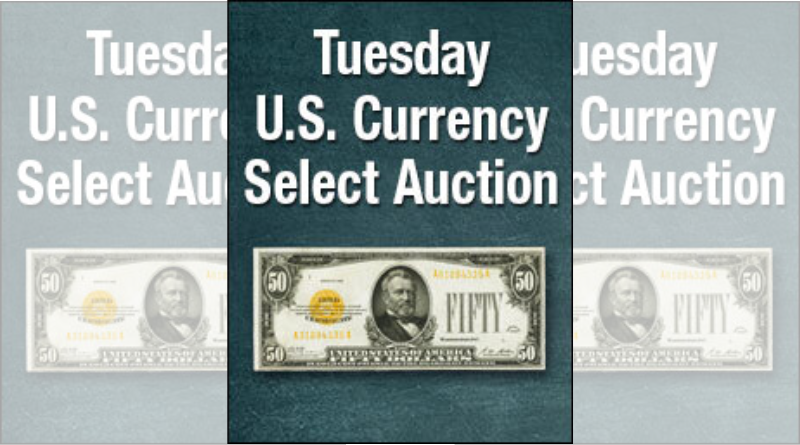
Heritage Auctions: US Currency Tuesday Select Auction
Location: Heritage Auctions
Tuesday, June 2, 2026
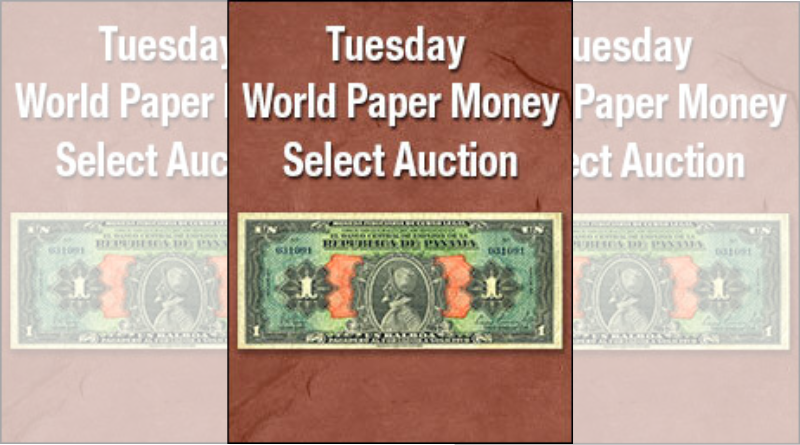
Heritage Auctions: World Paper Money Tuesday Select Auction
Location: Heritage Auctions
Tuesday, June 2, 2026
Heritage Auctions: US Coins Tuesday & Wednesday Select Auction
Location: Heritage Auctions
Wednesday, June 3, 2026