




 Whitman Expo



The unprecedented crossover underscores his personal efforts to combat “grade inflation.”
Thank you to our sponsors!
Go check them out!





Flying eagle cents were only issued for 3 years and remain popular in most any grade.
Obverse Description
An eagle with wings extended in full flight fills the central obverse design with the words UNITED STATES OF AMERICA around the top periphery. The date is centered at the bottom.
Reverse Description
The reverse bears the denomination of ONE CENT in the center surrounded by a wreath bearing a ribbon tied in at the bottom center.
Book Reference
1858, 8 Over 7, Cent Production: This very popular variety was created when a leftover 1857 obverse die was repunched with an 1858 date. Apparently some perfectly usable dies were available at the end of the year and, rather than be discarded, their dates were repunched with the 1858 date. Sometime in the middle of the striking run, the obverse die was taken out and resurfaced, removing evidence of the overdate. These later-die-state pieces are passed over by knowledgeable collectors and may sell only at a slight premium.
The die has some interesting attributes that can make identification easier. There is a remnant of a numeral 1 punched in the field directly between the date and the eagle. This looks like a small triangular dot. This die also has what is called a broken wing tip on the eagle’s right wing. This broken wing tip is found on a number of other 1857 dies as well, so this is a design deviation, called a hub variety, and is not unique to the 1858, 8 Over 7 die. Versions of the 8 Over 7 are listed in most major guides, including the Red Book. The Strong Overdate variety is called the 1858 LL Snow-1, or simply 1858 S-1. The Weak Overdate variety is called Snow-7.
Survivability: These were released into circulation as normal 1858 Large Letters cents and circulated with all the other cents. There was no collector knowledge of the variety at the time and all that have survived today have done so mainly by chance. Perhaps only 2,000 pieces exist in all grades. Of these, perhaps only 300 or so would qualify as early-die-state pieces with the overdate showing clearly.
Collecting Challenges: If paying full price, it is important that you select early-die-state coins with the 7 clearly showing. Certification does not guarantee an early-die-state coin. Because of its rarity in high grades, collectors must sacrifice quality, or face missing out on acquiring an example. Nearly all examples are struck with the dies skewed, or out of parallel alignment. This causes the area by the eagle’s tail and the opposing area of the wreath (upper left reverse) to be very weakly struck.
Collecting Circulated Pieces: The optimal collecting grade for circulated coins is VF-20. Low-grade examples may still be found unattributed as overdates. If paying full price, a collector should select an example with significant detail remaining. Late-diestate pieces without the 7 showing should be avoided unless the premium is very small.
Collecting Mint State Pieces: The optimal collecting grade for Mint State coins is an early-die-state example in MS-63. Fewer than 100 Mint State pieces are known to exist. Of these, perhaps 35 or so would qualify as early-die-state pieces. The strength of the overdate feature is very important. The earliest die states have the overdate very bold. These are now denoted as “Strong” on PCGS holders. Later, the dies were ground down and the overdate feature fades to almost nothing. These are denoted as “Weak” by PCGS. Other grading services may denote them as Early Die State (EDS) and Late Die State (LDS). Many may not be designated at all. In this case you should critically inspect the coin and determine which it is. The “Strong” designated coins will bring much stronger prices in the marketplace. Those designated “Weak” or those on which the overdate cannot be easily seen should get only a small premium over the regular non-overdate examples.
All examples show slight to strong weakness on the eagle’s tail and the opposing area on the reverse, the wreath at the upper-right quadrant. This is due to the die being slightly skewed. This weakness should be overlooked as it is an unavoidable problem.
Catalog Information
GSID:
213475
Designer:
James B. Longacre
Obverse Designer:
James B. Longacre
Obverse Lettering:
UNITED STATES OF AMERICA, 1858
Reverse Designer:
James B. Longacre
Reverse Lettering:
ONE CENT
Weight (gr):
4.67 gr
Weight (oz):
0.165 oz
Strike Type:
Business
Diameter:
19
Coin Shape:
Round
Edge:
Plain
Variety:
Flying Eagle, LL, Weak Overdate
Coin Date:
1858/(7)
Denomination:
1c
Designation:
MS
Mint Location:
Philadelphia
Mintage:
24,600,000
Coinage Type:
Flying Eagle Cent
Coinage Years:
1856-1858
Composition:
0.880 Copper; 0.120 Nickel
PCGS #:
532214
Send Catalog Feedback
To: editor@greysheet.com
Subject: I would like to contribute catalog info to CDN for 1858/(7) 1c Flying Eagle, LL, Weak Overdate MS
Body: Referring page: http://dev.greysheet.com/prices/item/1858-over-7-1c-united-states-flying-eagle-cent-weak-overdate/gsid/213475 GSID: 213475 Title: 1858/(7) 1c Flying Eagle, LL, Weak Overdate MS
Subscribe to View
View more data, info, and visualizations. Get access to retail and wholesale pricing as well as auction data.
Coin Value History
1858/(7) 1c Flying Eagle, LL, Weak Overdate MS
Value By Grade
1858/(7) 1c Flying Eagle, LL, Weak Overdate MS
CPG (retail) values
Currency
Grade Range
Grading Authority
Sort by
Pricing
Values
Greysheet & CPG® Values
| Grade | CAC | CPG Value (Retail) | Greysheet Price (Wholesale) |
|---|---|---|---|
| MS65 |

|
$5,250 | $1,234 |
| MS65 | - | $3,600 | $1,234 |
| MS64 |
|
$1,234 | $1,234 |
| MS64 | - | $1,234 | $1,234 |
| MS63 |
|
$1,234 | $1,234 |
| MS63 | - | $1,234 | $1,234 |
| MS62 |
|
$1,234 | $1,234 |
| MS62 | - | $1,234 | $1,234 |
| MS61 |
|
$1,234 | $1,234 |
| MS61 | - | $1,234 | $1,234 |
| MS60 |
|
$1,234 | $1,234 |
| MS60 | - | $1,234 | $1,234 |
| AU58 |
|
$1,234 | $1,234 |
| AU58 | - | $1,234 | $1,234 |
| AU55 |
|
$1,234 | $1,234 |
| AU55 | - | $1,234 | $1,234 |
| AU53 |
|
$1,234 | $1,234 |
| AU53 | - | $1,234 | $1,234 |
| AU50 |
|
$1,234 | $1,234 |
| AU50 | - | $1,234 | $1,234 |
| XF45 |
|
$1,234 | $1,234 |
| XF45 | - | $1,234 | $1,234 |
| XF40 |
|
$1,234 | $1,234 |
| XF40 | - | $1,234 | $1,234 |
| VF35 |
|
$1,234 | $1,234 |
| VF35 | - | $1,234 | $1,234 |
| VF30 |
|
$1,234 | $1,234 |
| VF30 | - | $1,234 | $1,234 |
| VF25 |
|
$1,234 | $1,234 |
| VF25 | - | $1,234 | $1,234 |
| VF20 |
|
$1,234 | $1,234 |
| VF20 | - | $1,234 | $1,234 |
| F15 |
|
$1,234 | $1,234 |
| F15 | - | $1,234 | $1,234 |
| F12 |
|
$1,234 | $1,234 |
| F12 | - | $1,234 | $1,234 |
Flying Eagle Cent 1c 1856-1858 MS [Type]
![Flying Eagle Cent 1c 1856-1858 MS [Type]](https://images.greysheet.com/ctc/catalog/20260626/cac_81622437_81622437-3.webp?MaxWidth=200&Mode=Pad&Scale=UpscaleCanvas&format=webp)
Worth: $12 – $42,000
1856 1c Flying Eagle MS

Worth: $5,500 – $228,000
1857 1c Flying Eagle MS

Worth: $12 – $9,500
1858 1c Flying Eagle, Small Letters MS

Worth: $12 – $19,200
1858 1c Flying Eagle, Large Letters MS

Worth: $12 – $42,000
1858/7 1c Flying Eagle, LL, Strong Overdate MS

Worth: $75 – $150,000
Flying Eagle Cent Set 1c 4 Coins MS

Worth: $5,536 – $265,700
1858/7 1C Weak, Late Die State, FS-301, Snow-1 -- Damaged, Cleaned -- ANACS Details. AU50 Details. ...
$439
1858/7 1C FS-301, Snow-1 -- Graffiti -- ANACS Details. Fine 15 Details. ...

$94
1858/7 1C Weak, FS-301 Late Die State, Snow-1, XF45 PCGS. PCGS Population: (3/13)....
$1,320
1858/7 1C Weak, FS-301 Late Die State, AU58 PCGS. PCGS Population: (2/7). ...
$516
1858/7 1C FS-301 MS63 NGC....

$4,320
1858/7 1C Weak Fine 12 PCGS. Snow-1, FS-301. Large Letters. PCGS Population: (2/36). NGC Census: (0/0). Fine 12....
$159
1858/7 1C Weak MS61 PCGS. PCGS Population: (1/5). NGC Census: (0/0). MS61. From The Gold Coast Collection. ...
$600
1858/7 1C Large Letters, Overdate, Doubled Die Obverse, Snow-7, FS-302, VF30 NGC. (FS-006.1). NGC Census: (1/9). PCGS Popul...
$312
1858/7 1C Weak XF40 PCGS. PCGS Population: (5/8). NGC Census: (0/0). XF40. ...
$228
1858/7 1C Weak AU53 PCGS. CAC. PCGS Population (1/0). NGC Census: (0/0). ...
$376
1858 1C Overdate, Doubled Die Obverse AU55 NGC. Snow-7, FS-302. ...
$1,351
1858 1C Large Letters, Overdate, Doubled Die Obverse, Snow-7, FS-302, MS63 PCGS. ...
$4,230
1858/7 1C Doubled Die Obverse, Large Letters, VF30 NGC. (FS-006.1). NGC Census: (13/156). PCGS Population: (11/156). Minta...
$312
Greysheet News
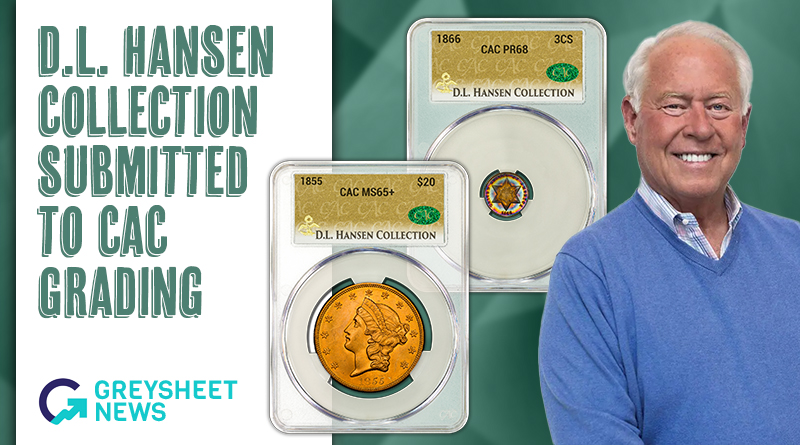
Prominent Collector Dell Loy Hansen Submitting His Historical Collection Of U.S. Coins To CAC Grading
8/8/2024
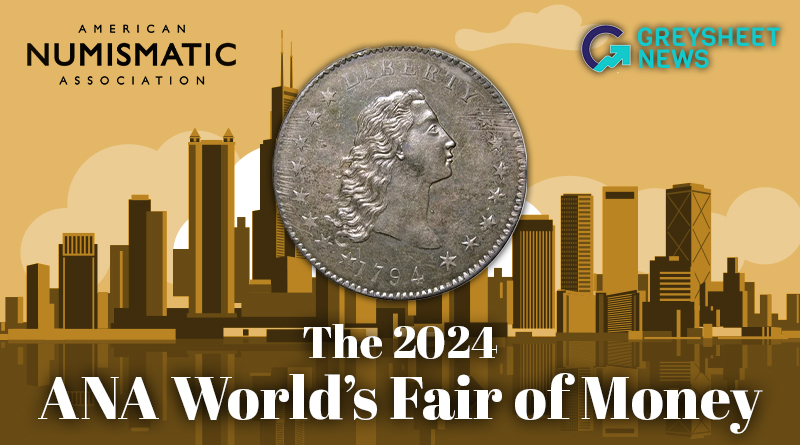
American Numismatic Association's Largest Coin Show, August 6-10 In Chicago
Dazzling rarities, free educational opportunities, family fun and more await at the Donald E. Stephens Convention Center
7/25/2024
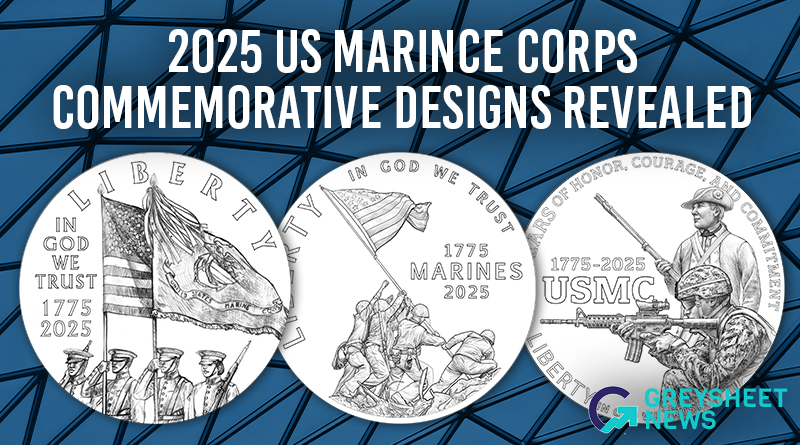
United States Mint Unveils Designs For The 2025 United States Marine Corps 250th Anniversary Commemorative Coin Program
The designs will be featured on a $5 gold coin, a $1 silver coin, and a half dollar clad coin.
7/23/2024
Events
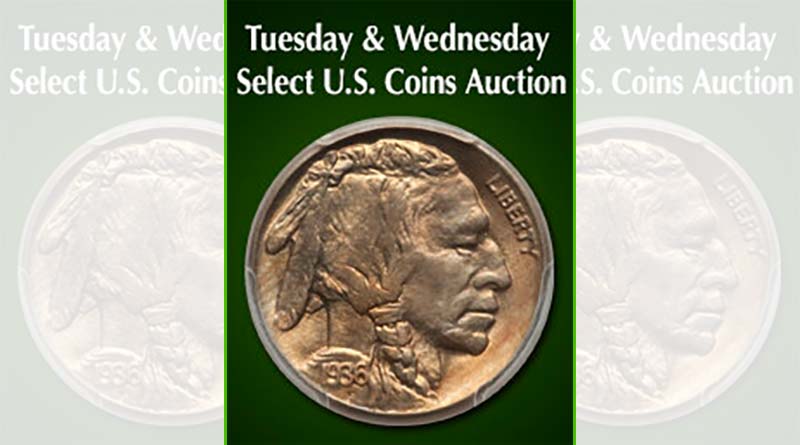
Heritage Auctions: US Coins Tuesday & Wednesday Select Auction
Location: Heritage Auctions
Wednesday, July 1, 2026
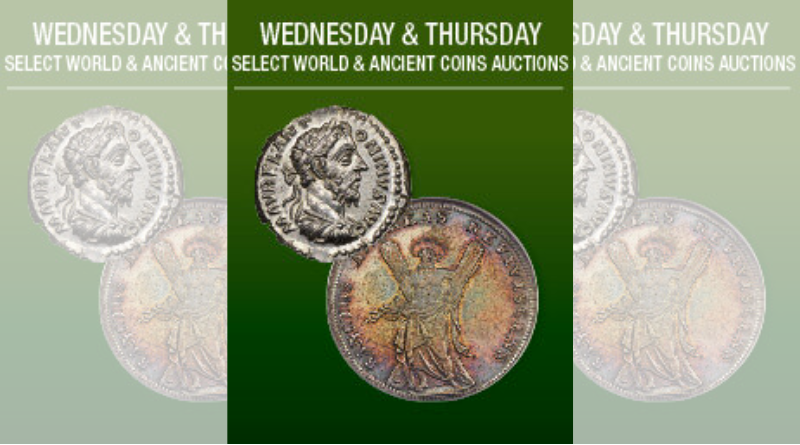
Heritage Auctions: World & Ancient Coins Wednesday & Thursday Select Auction
Location: Heritage Auctions
Thursday, July 2, 2026